
Losing one tooth can affect more than the appearance of your smile. A missing tooth may make chewing less comfortable, create spaces between neighbouring teeth, and contribute to changes in how your bite functions. For many people, replacing the missing tooth is therefore an important part of maintaining oral function and preventing further dental problems.
At Trusmile Dental Clinic & Implant Center, dental implants are among the treatments available for replacing missing teeth. The clinic is located in Chandkheda, Ahmedabad, and provides dental care including dental implants, root canal treatment, tooth removal and dental hygiene services. The clinic describes its implant treatment as using a titanium implant and natural-looking crown to replace a missing tooth.
But is a single dental implant actually worth it? The answer depends on your oral health, bone condition, expectations, treatment requirements and long-term priorities. Understanding the advantages and limitations can help you have a more informed discussion with your dentist.
What Is a Single Dental Implant?
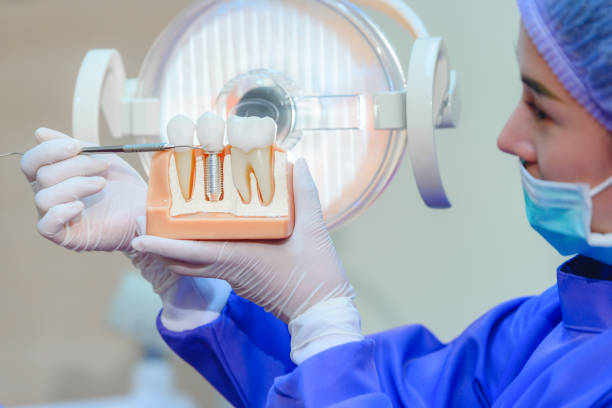
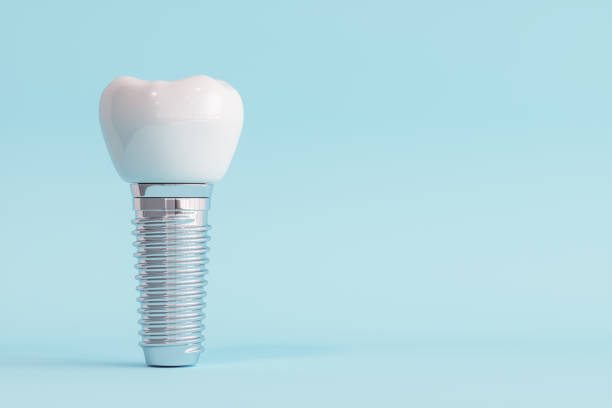
A single dental implant is designed to replace one missing tooth without requiring the neighbouring teeth to support the replacement. The treatment generally involves three main components: an implant fixture, an abutment and a dental crown.
The implant fixture is placed into the jawbone and acts as an artificial tooth root. After the implant integrates with the surrounding bone, an abutment connects the implant to the final crown. The crown is designed to restore the visible portion of the missing tooth.
This differs from a conventional dental bridge. A dental implants bridge can refer to an implant-supported bridge used to replace multiple missing teeth, whereas a single implant normally supports one individual crown.
How Does a Single Dental Implant Work?
Treatment is usually completed over several stages rather than in one appointment. The exact process depends on the patient’s dental and general health.
Initial Dental Assessment
The first stage involves evaluating the missing tooth area, surrounding teeth, gums and available bone. Your dentist may use dental imaging to assess the jawbone and determine whether there is enough support for an implant.
Existing problems such as gum disease, infection or significant bone loss may need to be addressed before implant placement.
Implant Placement
The implant fixture is surgically placed into the jawbone. It remains beneath the gum while the surrounding bone gradually integrates with its surface.
This healing process, known as osseointegration, provides the foundation needed to support the replacement tooth.
Abutment and Crown Placement
Once the implant has adequately healed, an abutment can be attached. The dental crown is then placed over the abutment.
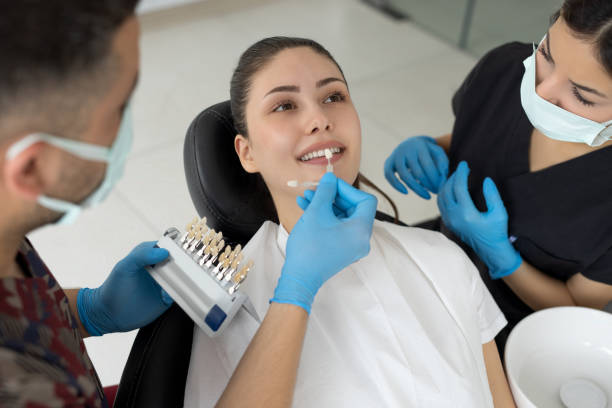
The final restoration is intended to restore the appearance and function of the missing tooth while remaining separate from the adjacent natural teeth.
Benefits of Single Dental Implants
Single dental implants can offer several advantages compared with some other tooth replacement options. However, these benefits should be considered alongside the treatment requirements and potential risks.
They Replace the Missing Tooth Without Preparing Adjacent Teeth
One of the main advantages of a single implant is that the neighbouring teeth generally do not need to be reduced to support the replacement.
With a traditional tooth-supported bridge, adjacent teeth are typically prepared to accommodate crowns that hold the artificial tooth. A single implant provides a different approach because the replacement tooth is supported by an implant in the jawbone.
They Can Restore Chewing Function
A missing tooth can make chewing less comfortable, particularly when the gap is located in an area that receives substantial biting forces.
An appropriately planned implant-supported crown can provide a stable replacement for the missing tooth. This can make eating more comfortable and help restore normal dental function.
They Can Help Maintain Jawbone Stimulation
Natural tooth roots provide stimulation to the surrounding jawbone. When a tooth is lost, the bone in that area can gradually remodel and decrease in volume.
Because a dental implant is placed within the jawbone, it can provide functional stimulation to the surrounding bone. However, the amount of bone available and the patient’s individual healing response can affect treatment outcomes.
They Can Provide a Long-Term Tooth Replacement
Dental implants are designed as a long-term tooth replacement option. Their longevity depends on several factors, including oral hygiene, gum health, bite forces, smoking or tobacco use, general health and regular dental maintenance.
The implant itself can remain functional for many years, but the crown may eventually require repair or replacement due to normal wear.
Potential Drawbacks of a Single Dental Implant
Although implants can be an effective solution for missing teeth, they are not suitable for every person or every situation.
Treatment Takes Longer Than Some Alternatives
A single implant is not normally completed as quickly as a removable replacement. The treatment involves planning, implant placement, healing and restoration.
The overall timeline varies depending on whether additional procedures are required. For example, patients with insufficient bone may need bone grafting before or during implant treatment.
Surgery Is Required
Implant placement is a surgical procedure. Temporary discomfort, swelling or sensitivity can occur during the recovery period.
Your dentist should explain the expected recovery process, possible complications and appropriate aftercare before treatment begins.
Not Everyone Has the Same Bone Conditions
Adequate bone volume and quality are important for implant placement. Significant bone loss can make treatment more complex.
This does not automatically mean that implants are impossible. Additional procedures may sometimes improve the available foundation, but the dentist must assess each case individually.
Implants Require Ongoing Maintenance
A dental implant is not completely maintenance-free. Although the implant cannot develop tooth decay in the same way as a natural tooth, the surrounding gums and tissues can still develop problems.
Daily brushing, cleaning between teeth and regular dental examinations remain important after treatment.
Single Dental Implants vs Dental Bridges
If you have one missing tooth, your dentist may discuss an implant or a conventional bridge as potential treatment options.
A bridge can replace the missing tooth using neighbouring teeth for support. An implant, on the other hand, is placed in the jawbone and can support an individual crown.
The choice depends on factors such as the health of neighbouring teeth, available bone, gum condition, treatment preferences, timeline and overall cost.
Neither option is automatically better for every patient. A healthy adjacent tooth that already requires a crown, for example, may make a bridge a practical option. Conversely, preserving healthy neighbouring teeth may make a single implant worth considering.
How Single Dental Implants Compare With Full Mouth Dental Implants
Single dental implants are intended for individual missing teeth, while Full mouth dental implants are used when a person has lost most or all teeth in an arch and needs a more extensive restoration.
These treatments address very different situations. Someone missing one tooth does not normally need a full-mouth implant treatment simply because implants are being considered.
Full-mouth treatment involves comprehensive planning because multiple implants and a full-arch prosthesis may be involved. The appropriate approach depends on the number of missing teeth, remaining teeth, bone condition and overall oral health.
Are Modern Dental Implants Worth the Investment?
The value of modern dental implants should not be judged only by their initial price.
A tooth replacement can have long-term implications for chewing, comfort, oral hygiene and the condition of surrounding teeth. An implant may require more time and a higher initial investment than some alternatives, but it is designed to provide a durable replacement.
At the same time, an implant is not automatically the most economical or appropriate choice for every missing tooth. The long-term value depends on how well the treatment suits the individual’s dental condition and how consistently the implant and surrounding tissues are maintained.
The cost should therefore be considered alongside factors such as expected longevity, maintenance, treatment complexity and the condition of neighbouring teeth.
What Determines Whether a Single Dental Implant Is Worth It?
Several factors can influence the decision.
Condition of the Jawbone
Adequate bone is important for implant stability. If bone has been lost following tooth extraction or prolonged tooth loss, additional assessment may be required.
Gum Health
Healthy gums provide an important foundation for implant treatment. Existing gum disease may need to be treated before an implant is placed.
Condition of Nearby Teeth
If the teeth next to the missing tooth are healthy, an implant may offer the advantage of replacing the missing tooth without using those teeth for support.
Oral Hygiene
Good oral hygiene is essential after implant treatment. Plaque accumulation around an implant can contribute to inflammation and affect the supporting tissues.
Bite and Grinding Habits
Heavy biting forces and teeth grinding can place additional stress on an implant restoration. Your dentist may need to consider these factors during treatment planning.
Long-Term Expectations
Patients should consider whether they are prepared to attend follow-up appointments, maintain good oral hygiene and care for the restoration over time.
What Happens If You Do Not Replace a Missing Tooth?
Not every missing tooth requires the same treatment, but leaving a gap can have consequences.
The neighbouring teeth may gradually move into space. Changes in tooth position can affect how the upper and lower teeth meet. Depending on the location of the missing tooth, chewing function may also be affected.
Bone remodeling can occur in the area where the tooth root was previously located. The extent of these changes varies between individuals.
For these reasons, it is useful to discuss a missing tooth with a dentist even if it is not currently causing significant discomfort.
How Long Can a Single Dental Implant Last?
The longevity of an implant depends on several factors. These include the patient’s oral hygiene, gum health, implant position, bite forces, lifestyle factors and regular professional care.
The implant and the crown should also be considered separately. The implant fixture is designed for long-term use, while the crown is exposed to everyday chewing and may eventually show wear or require replacement.
Regular dental examinations can help identify problems early and allow the dentist to monitor both the implant and surrounding tissues.
Who May Be a Candidate for a Single Dental Implant?
A person with one missing tooth may be considered for implant treatment if they have suitable jawbone support, healthy or adequately managed gums and an appropriate overall oral condition.
Age alone does not determine whether someone can receive an implant. Instead, the dentist evaluates the condition of the mouth, bone and surrounding structures.
Certain medical or lifestyle factors can affect healing and implant success. A detailed dental assessment is therefore necessary before deciding whether treatment is appropriate.
Is a Single Dental Implant Worth It?
For many suitable candidates, a single dental implant can be a worthwhile long-term tooth replacement because it replaces the missing tooth without relying on adjacent teeth for support and can restore chewing function.
However, it is not automatically the right choice for everyone. The treatment involves surgery, a healing period, careful planning and ongoing maintenance. Alternatives such as a dental bridge may be more appropriate in some situations.
The most useful question is therefore not simply whether implants are worth the cost. It is whether a single implant is appropriate for your specific oral health, functional needs and long-term expectations.
A consultation at Trusmile Dental Clinic & Implant Center can help you understand your treatment options and whether implant treatment is suitable for your missing tooth. If you are considering treatment, you can contact us to discuss the next steps and arrange an assessment.