Missing teeth can affect more than the appearance of a smile. They may make chewing difficult, change speech patterns and affect the alignment of surrounding teeth. Understanding available tooth replacement options can help patients make informed decisions about their oral health. Trusmile Dental Implant focuses on dental implant treatment, offering options for patients with different levels of tooth loss. From individual tooth replacement to full-mouth restoration, understanding how these treatments work is an important first step when considering dental implants.
Why Is Replacing Missing Teeth Important?
A missing tooth can affect the balance and function of the mouth. When a tooth is lost, neighbouring teeth may gradually shift into the empty space. This movement can change the bite and make cleaning between teeth more difficult.
Tooth loss can also affect the jawbone. Natural tooth roots provide stimulation to the surrounding bone during chewing. When a tooth is missing, the area may gradually lose bone volume because it no longer receives the same stimulation.
Replacing missing teeth can help restore chewing function, support a balanced bite and address changes associated with tooth loss. The most suitable treatment depends on the number of missing teeth, gum health, available bone and the patient’s overall dental condition.
What Are Dental Implants and How Do They Work?
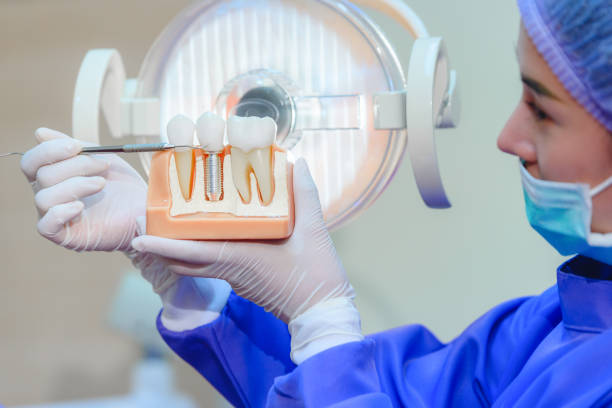
Dental Implants are artificial tooth roots placed into the jawbone to support replacement teeth. They are commonly made from titanium or other biocompatible materials that can integrate with the surrounding bone through a process called osseointegration.
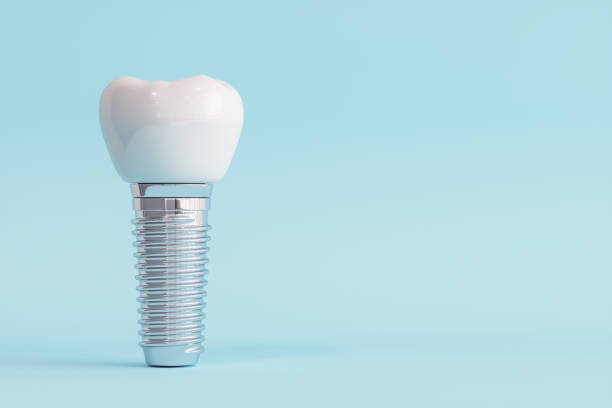
A typical dental implant restoration consists of three main components. The implant post is placed into the jawbone, the abutment connects the post to the replacement tooth, and the crown provides the visible chewing surface.
Once the implant has integrated with the bone and the restoration is completed, it can function as an independent tooth replacement. Unlike traditional bridges, an individual implant generally does not require neighbouring natural teeth to be prepared for support.
However, implant treatment requires careful planning. A dental professional must evaluate the patient’s bone structure, gum health, medical history and treatment expectations before recommending the procedure.
Who May Be a Suitable Candidate for Dental Implants?
Dental implants may be suitable for adults who have lost one or more teeth and want a fixed replacement option. However, not everyone is automatically eligible for implant treatment.
Healthy gums and sufficient jawbone are important considerations. Patients with significant bone loss may require additional evaluation or preparatory procedures before implants can be placed.
Certain health conditions, smoking habits and medications can also influence healing and treatment planning. A detailed dental examination and review of medical history help determine whether implant treatment is appropriate.
Patients should discuss their expectations and existing dental concerns during the consultation. This allows the dental team to recommend an approach based on individual needs rather than applying the same treatment to everyone.
What Are the Different Types of Dental Implant Treatments?
Dental implant treatment is available in different forms depending on how many teeth are missing and the condition of the remaining teeth.
Single Dental Implants for Individual Missing Teeth
A single dental implant replaces one missing tooth without relying on neighbouring teeth for support. The implant is placed in the jawbone, and a crown is attached after the appropriate healing period.
This option may be considered when a patient has lost one tooth due to injury, decay or another dental condition. It can restore the appearance and function of the missing tooth while maintaining the independence of surrounding natural teeth.
Full Mouth Dental Implants for Extensive Tooth Loss
Full Mouth Dental Implants are designed for patients who have lost most or all of their teeth in one or both arches.
Rather than replacing every missing tooth with an individual implant, a full-mouth restoration may use strategically positioned implants to support a complete set of replacement teeth. The exact number of implants depends on the patient’s jawbone condition, restoration design and clinical requirements.
This approach may help restore chewing function and provide a fixed alternative to conventional removable dentures. However, treatment planning is essential to determine whether the patient’s bone structure can support the proposed restoration.
All-on-4 Dental Implants for Full-Arch Restoration
All-on-4 Dental Implants are a full-arch restoration approach that uses four strategically positioned implants to support a complete set of replacement teeth in an arch.
The technique is designed to make use of available bone by placing implants at specific angles and positions. In selected cases, this may reduce the need for extensive bone grafting.
All-on-4 treatment may be considered for patients with extensive tooth loss or those who need a full-arch replacement. However, suitability depends on individual anatomy, bone quality and overall oral health. Not every patient is a candidate for this approach.
Dental Implants vs Partial Dentures: What Is the Difference?
Patients who are missing several teeth may consider dental implants or partial dentures. Both options can replace missing teeth, but they differ in how they are supported, maintained and used.
Partial dentures are removable appliances designed to replace one or more missing teeth. They generally use clasps or other retention features to stay in position. Dental implants, on the other hand, are placed in the jawbone and can support fixed replacement teeth.
The following comparison highlights some important differences.
| Feature | Dental Implants | Partial Dentures |
| Placement | Surgically placed in the jawbone | Removable dental appliance |
| Support | Supported by the jawbone | Supported by remaining teeth and oral tissues |
| Removal | Generally fixed after restoration | Removed for cleaning |
| Bone stimulation | Can help maintain bone in the implant area | Does not provide the same stimulation as natural tooth roots |
| Maintenance | Daily oral hygiene and professional monitoring | Daily cleaning and periodic adjustments |
| Treatment process | Requires surgery and healing | Usually does not require implant surgery |
The choice depends on the number of missing teeth, budget, oral health and personal preferences.
What Is the Dental Implant Treatment Process?
Dental implant treatment generally involves several stages. The exact timeline varies according to the patient’s condition and the complexity of the restoration.
Initial Consultation and Examination
The first stage involves evaluating the mouth, gums and jawbone. Dental imaging may be used to assess bone volume, identify anatomical structures and determine suitable implant positions.
Implant Placement
During the surgical stage, the implant post is placed into the jawbone. The procedure is generally performed using local anaesthesia, although additional sedation options may be considered depending on the clinical situation.
Healing and Osseointegration
After placement, the implant requires time to integrate with the surrounding bone. This healing process creates the foundation needed to support the replacement tooth or restoration.
Attaching the Final Restoration
Once the implant has healed sufficiently, the abutment and final crown, bridge or full-arch restoration can be attached. The dental professional checks the fit, bite and function to ensure the restoration is appropriate.
How Can Patients Maintain Dental Implants?
Dental implants require consistent maintenance, even though the implant material itself cannot develop tooth decay. The surrounding gums and supporting bone can still be affected by plaque accumulation and inflammation.
Patients should brush twice daily using an appropriate toothbrush and clean between their teeth and around implant restorations. Interdental brushes or specialised floss may be recommended depending on the restoration design.
Regular dental examinations and professional maintenance are also important. Patients should report persistent bleeding, swelling, discomfort or changes around the implant because these symptoms may indicate a problem that requires evaluation.
Maintaining good oral hygiene and following professional recommendations can help support the long-term health of dental implants.
When Should You Consider a Dental Implant Consultation?
A dental consultation may be appropriate if you have one or more missing teeth, difficulty chewing, loose dentures or concerns about changes in your bite.
Patients who have experienced extensive tooth loss may also want to explore full-mouth restoration options. An examination can help determine whether individual implants, All-on-4 treatment, partial dentures or another approach is more suitable.
Trusmile Dental Implant provides information about different implant treatment options to help patients understand the available approaches to tooth replacement. You can contact us to enquire about consultation and treatment information.