Losing several or all of your teeth can affect more than your smile. Missing teeth may make chewing difficult, change how you speak, and affect the way your jaw supports facial structures. Full mouth dental implants are one treatment option for people who need to replace multiple missing teeth with implant-supported restorations.
TruSmile provides information and treatment options for patients considering dental implants, including solutions designed to restore function when many teeth are missing. Understanding how full mouth dental implants work, who may benefit from them, and what the treatment process involves can help patients have more informed conversations with their dental provider.
What Are Full Mouth Dental Implants?
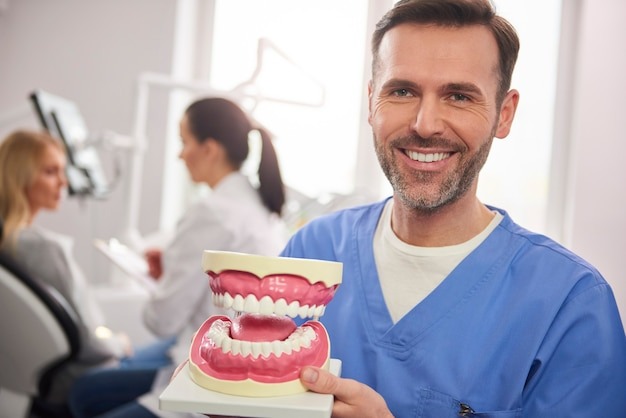
Full mouth dental implants are a restorative dental treatment used to replace most or all of the teeth in one or both dental arches. Instead of relying only on removable dentures, dental implants are placed into the jawbone to provide support for a fixed or removable prosthetic restoration, depending on the treatment plan.
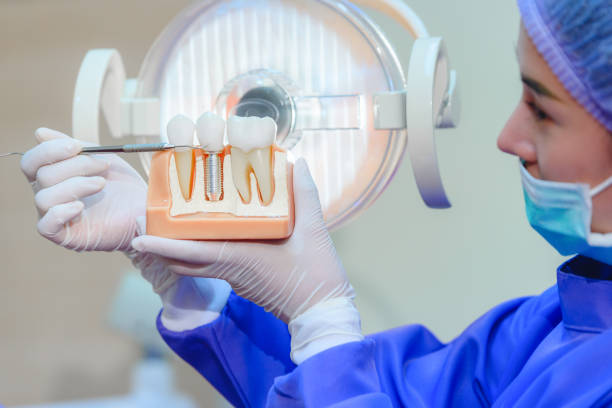
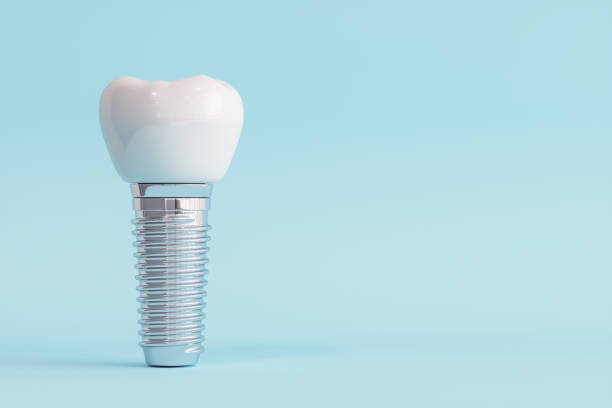
An implant consists of a small post, commonly made from titanium or another biocompatible material, that functions as an artificial tooth root. Once the implant has integrated with the surrounding bone, it can support an individual crown, a bridge, or a full-arch restoration.
The exact number of implants and type of restoration depend on factors such as bone volume, oral health, the condition of remaining teeth, and the patient’s treatment goals.
Who May Need Full Mouth Dental Implants?
Full mouth dental implants may be considered by adults who have lost many teeth or who have teeth that cannot be predictably restored. They can also be an option for people who have struggled with conventional dentures and want to discuss implant-supported alternatives with a qualified dental professional.
A dental evaluation is necessary before treatment. The provider may assess the gums, remaining teeth, jawbone, bite, medical history, and overall oral health. Dental imaging may also be used to understand bone structure and plan implant placement.
Patients with insufficient bone may require additional procedures, such as bone grafting, before or during implant treatment. However, not every patient needs grafting, so this decision should be based on an individual examination.
How Do Full Mouth Dental Implants Work?
The treatment generally involves several stages rather than being completed in a single appointment. First, the dental team evaluates the patient’s oral health and develops a treatment plan. This may include digital scans or other imaging to determine suitable implant positions.
Implant Placement
During implant surgery, dental implants are positioned within the jawbone. The implants act as anchors for the future restoration. The number and placement of implants depend on the patient’s anatomy and the selected restoration.
Healing is then allowed to take place. During this period, the bone can gradually integrate with the implant surface, creating a stable foundation for the final restoration.
Attaching the Final Restoration
Once healing and implant stability have been evaluated, the final teeth are attached to the implants. These teeth are designed to restore chewing function and provide a natural-looking appearance.
The treatment timeline varies significantly between patients. Some individuals may need preliminary procedures or additional healing time, while others may qualify for a more streamlined treatment approach.
Full Mouth Dental Implants vs. All-on-4 Dental Implants
Full mouth dental implants is a broad term that can describe implant-supported treatment for an entire dental arch or both arches. All-on-4 is a specific implant treatment concept that uses four strategically positioned implants to support a full-arch prosthesis in appropriate patients.
All-on-4 Dental Implants may be discussed when a patient needs to replace an entire arch and has suitable anatomy for this approach.
The two terms should not automatically be treated as interchangeable. The most appropriate solution depends on the patient’s bone structure, oral health, number of missing teeth, bite, and restoration requirements. A dental professional can explain which approach is appropriate after an examination and diagnostic evaluation.
What Should You Expect During the Treatment Process?
Patients considering full mouth dental implants often want to know what happens before, during, and after treatment. Although every case is different, the process commonly begins with a consultation and examination.
1. Consultation and Treatment Planning
The first stage involves evaluating the condition of the teeth, gums, and jawbone. The dentist may use X-rays, 3D imaging, photographs, or digital scans to develop an individualized plan.
The treatment plan may also consider whether any remaining teeth should be removed, whether bone preservation or grafting is required, and what type of final restoration is appropriate.
2. Implant Surgery and Healing
The implants are placed into the jawbone during the surgical stage. Temporary teeth may be provided depending on the treatment plan and the patient’s individual circumstances.
Healing is an important part of the process because the implants need time to become sufficiently stable. The length of this stage can vary based on the number of implants, bone quality, and whether additional procedures were performed.
3. Final Restoration
After the implants have healed and their stability has been assessed, the permanent restoration can be fitted. Adjustments may be made to ensure the restoration fits comfortably and works properly with the patient’s bite.
Follow-up appointments are also important after treatment. They allow the dental team to monitor healing, evaluate the restoration, and address any concerns.
How Are Full Mouth Implants Different From Single Tooth Implants?
The main difference is the extent of tooth replacement. A single tooth implant is generally used when one tooth is missing. It usually consists of one implant supporting one dental crown.
For patients interested in replacing an individual missing tooth, Single Tooth Dental Implants can provide more information about this approach.
Full mouth treatment, by comparison, is designed for people who need extensive tooth replacement. It may involve multiple implants supporting a full-arch restoration rather than placing one implant for every missing tooth.
What Are the Potential Benefits?
Full mouth dental implants can provide implant-supported teeth that are designed to improve chewing and help restore dental function. Because implants are anchored in the jawbone, they differ from traditional removable dentures, which rest on the gums.
Another consideration is jawbone preservation. Natural tooth roots stimulate the surrounding bone, and tooth loss can contribute to gradual bone resorption. Dental implants can provide stimulation to the bone around the implant site, although the extent of preservation varies between individuals.
Implant-supported restorations also eliminate some of the movement associated with traditional removable dentures. However, proper hygiene and regular professional care remain important for maintaining oral health.
How Should You Care for Full Mouth Dental Implants?
Implant-supported teeth still require daily care. Patients should follow their dental provider’s cleaning instructions and maintain regular dental appointments.
Depending on the type of restoration, cleaning may involve a toothbrush, specialized flossing tools, interdental brushes, or other recommended products. Patients should also report persistent discomfort, swelling, bleeding, looseness, or changes in their bite to their dental provider.
Good oral hygiene is important because the gums and tissues surrounding implants can still develop inflammation or infection.
Discuss Your Tooth Replacement Options
Full mouth dental implants can be a complex treatment, so understanding the process is an important part of making an informed decision. The right approach depends on the number of missing teeth, jawbone condition, gum health, bite, and overall oral health.
Patients considering treatment can contact TruSmile to discuss their concerns and learn what evaluation may be appropriate. A dental professional can assess the individual situation and explain available tooth replacement options without assuming that one treatment is suitable for everyone.