Missing most or all of your teeth can affect far more than your smile. It can make eating difficult, change the way you speak, and impact your confidence in everyday life. Fortunately, modern dentistry offers reliable solutions that restore both function and appearance.
TruSmile provides patient-focused dental care with treatment options designed to restore missing teeth using modern techniques and personalised treatment planning. Whether you are considering Dental Implants, exploring alternatives such as Dentures, or looking into Full Mouth Dental Implants, understanding the treatment process can help you make an informed decision. This guide explains everything you need to know before beginning treatment.
What Are Full Mouth Dental Implants?
Full Mouth Dental Implants are a complete tooth replacement solution for people who have lost most or all of their natural teeth. Instead of replacing each tooth individually, several dental implants are strategically placed in the jawbone to support a full arch of replacement teeth.
Unlike traditional removable Dentures, implant-supported restorations remain securely in place. This provides improved stability, chewing ability, and comfort while helping preserve the jawbone.
The treatment is suitable for individuals with extensive tooth loss caused by:
- Advanced gum disease
- Severe tooth decay
- Dental trauma
- Age-related tooth loss
- Failed dental restorations
Every treatment plan is tailored to the patient’s oral health, bone structure, and long-term goals.
Understanding How Dental Implants Work
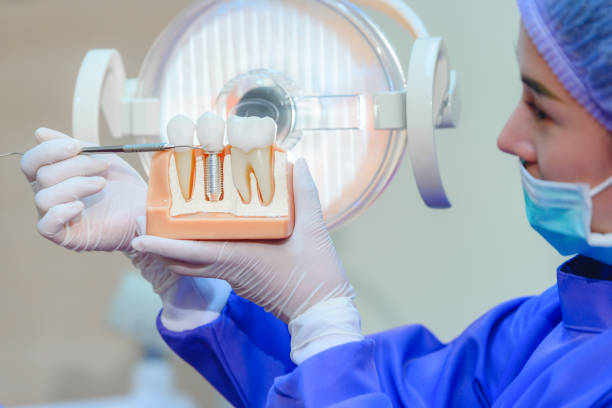
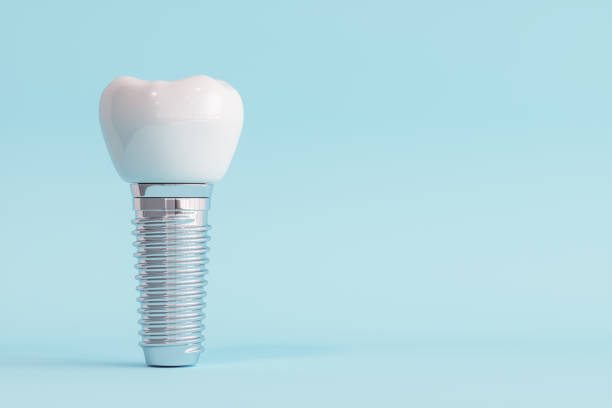
Dental Implants act as artificial tooth roots. They are typically made from biocompatible titanium and are surgically placed into the jawbone.
After placement, the implant gradually fuses with the surrounding bone through a process called osseointegration. This creates a strong foundation for attaching a custom-made bridge or complete arch of replacement teeth.
A complete restoration generally includes three parts:
Implant Posts
These replace the roots of missing teeth and provide long-term support.
Abutments
These connectors attach the implant posts to the final prosthetic teeth.
Final Restoration
A customised full arch of natural-looking teeth is securely attached to the implants.
Together, these components create a stable and functional replacement for missing teeth.
Who Is a Good Candidate for Full Mouth Dental Implants?
Many adults with multiple missing teeth may qualify for Full Mouth Dental Implants, although eligibility depends on several factors.
A dentist will typically evaluate:
- Overall oral health
- Gum condition
- Jawbone density
- Medical history
- Lifestyle habits such as smoking
Even patients with reduced bone volume may still be suitable candidates after bone grafting or other preparatory procedures.
The best way to determine suitability is through a comprehensive dental examination and imaging.
Benefits of Full Mouth Dental Implants
Replacing an entire arch of teeth offers advantages beyond aesthetics.
Improved Chewing Function
Patients can usually enjoy a wider variety of foods compared to traditional removable dentures.
Better Speech
Loose dentures sometimes affect pronunciation. Fixed implant restorations provide improved stability when speaking.
Natural Appearance
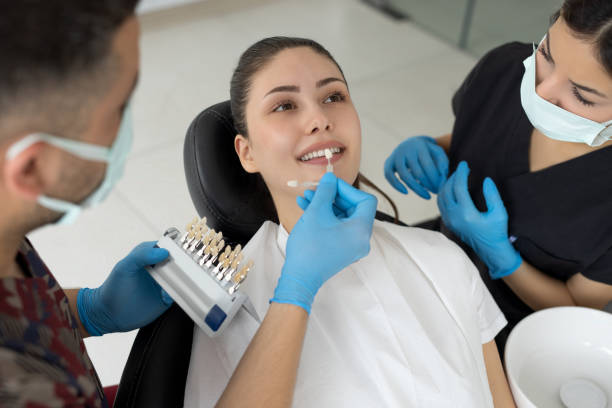
Modern restorations are carefully designed to resemble natural teeth in colour, shape, and alignment.
Bone Preservation
One of the most significant advantages of Dental Implants is their ability to stimulate the jawbone, helping reduce bone loss over time.
Long-Term Solution
With proper oral hygiene and routine dental care, implants can provide many years of reliable function.
Greater Comfort
Because implants become integrated with the jawbone, they eliminate many of the movement and irritation issues associated with removable Dentures.
The Full Mouth Dental Implant Procedure
Understanding each stage of treatment helps patients prepare for the process.
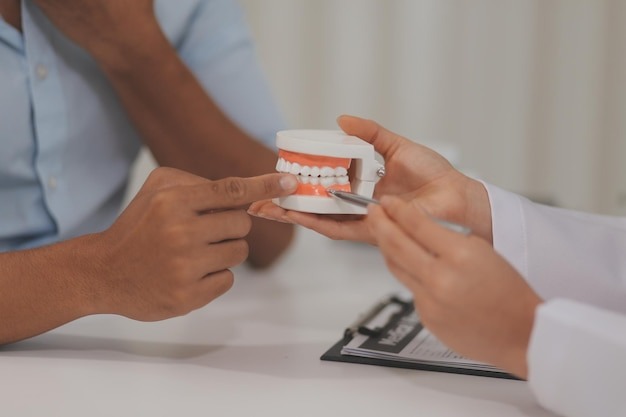
Initial Consultation
The first appointment involves a detailed examination.
Your dentist may perform:
- Digital X-rays
- 3D CBCT scanning
- Gum assessment
- Medical history review
- Bite analysis
Based on these findings, a personalised treatment plan is developed.
Treatment Planning
The dentist determines:
- Number of implants required
- Implant placement locations
- Need for bone grafting
- Restoration design
- Estimated treatment timeline
Every patient’s plan is unique.
Implant Placement Surgery
The implants are surgically inserted into the jawbone under local anaesthesia or appropriate sedation.
Most patients report that the procedure is more comfortable than expected.
Healing Period
The implants require time to bond with the jawbone.
Healing generally takes several months, depending on individual circumstances.
Temporary teeth may be provided during this period when appropriate.
Placement of Final Teeth
Once healing is complete, the permanent restoration is attached to the implants.
The final result is designed to provide a comfortable bite, natural appearance, and long-lasting function.
Recovery After Treatment
Recovery experiences vary from person to person.
Some common post-treatment symptoms include:
- Mild swelling
- Minor discomfort
- Temporary bruising
- Slight tenderness
Most patients return to normal daily activities within a few days.
Following your dentist’s instructions carefully supports proper healing and helps reduce the risk of complications.
Caring for Full Mouth Dental Implants
Although implants cannot develop cavities, maintaining healthy gums remains essential.
Daily care includes:
- Brushing twice daily
- Cleaning around implants thoroughly
- Using floss or recommended cleaning tools
- Attending routine dental check-ups
- Following professional cleaning schedules
Good oral hygiene significantly contributes to the long-term success of Dental Implants.
Are Full Mouth Dental Implants Permanent?
The implant posts themselves are designed as a long-term solution and can often last for decades when properly maintained.
The visible prosthetic teeth may eventually require repair or replacement due to normal wear, but this generally occurs much later than with removable Dentures.
Regular dental examinations help ensure the implants and restorations remain healthy.
Possible Risks to Consider
Like any surgical procedure, implant treatment carries certain risks.
Potential complications may include:
- Infection
- Implant failure
- Delayed healing
- Gum inflammation
- Bone loss around implants
Fortunately, these complications are relatively uncommon when treatment planning, surgical techniques, and aftercare are properly followed.
Choosing an experienced dental team and maintaining excellent oral hygiene both contribute to successful outcomes.
Questions to Ask Before Starting Treatment
Before committing to Full Mouth Dental Implants, it is helpful to discuss several important topics with your dentist.
Consider asking:
- Am I a suitable candidate?
- Will I need bone grafting?
- How many implants are recommended?
- What is the estimated treatment timeline?
- What maintenance will be required?
- How long should the restoration last?
These discussions help establish realistic expectations before treatment begins.
Choosing the Right Dental Provider
Selecting the right provider is an important part of achieving successful treatment.
When researching a clinic, consider factors such as:
- Experience with full-mouth implant cases
- Comprehensive diagnostic technology
- Personalised treatment planning
- Transparent communication
- Ongoing aftercare support
At TruSmile, patients receive comprehensive evaluations and individual treatment planning based on their oral health needs. Every recommendation is made after a detailed clinical assessment to help patients understand their available options, including Dental Implants and Dentures, before making treatment decisions.
Conclusion
Full Mouth Dental Implants provide a modern solution for individuals who have lost most or all of their teeth. They offer improved stability, natural function, and long-term support while helping preserve jawbone health. Although treatment involves careful planning and several stages, many patients find the long-term benefits worthwhile.
If you are considering replacing multiple missing teeth, scheduling a professional consultation is the best way to determine whether Dental Implants are the right option for your situation. The team at TruSmile can assess your oral health, explain suitable treatment options, and answer any questions you may have. Contact us to arrange a consultation and learn more about your tooth replacement options.