A missing tooth can affect more than the appearance of your smile. It can make chewing less comfortable, influence speech, and leave surrounding teeth without the support they normally receive. Dental implants offer a long-term tooth replacement option designed to restore both function and appearance.
TruSmile provides dental implant treatment for patients looking to replace missing teeth with solutions that are designed around their individual needs. Depending on the number of missing teeth and the condition of the mouth, treatment may involve a single dental implant, All-on-4 treatment, or full mouth dental implants.
What Are Dental Implants?
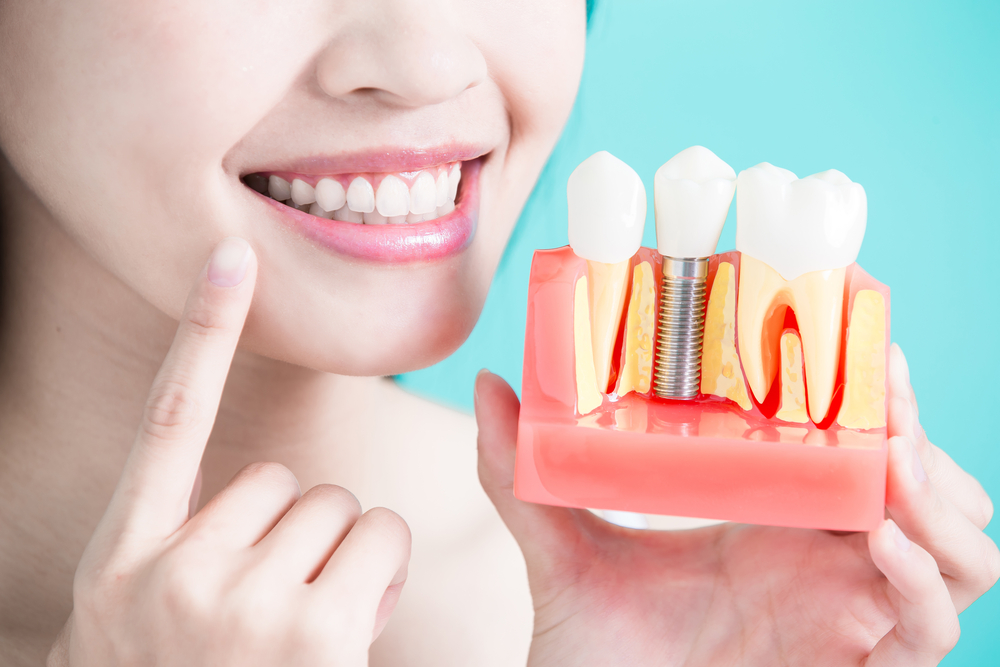
Dental implants are tooth replacement structures that are designed to replace the root portion of a missing tooth. An implant is typically placed into the jawbone and allowed to integrate with the surrounding bone before a dental restoration is attached.
Unlike traditional removable dentures, dental implants are anchored within the jaw. This can provide a stable foundation for a replacement tooth and may help patients feel more confident when eating and speaking.
The process generally involves several stages, including an examination, treatment planning, implant placement, healing, and attachment of the final restoration. The exact process depends on the patient’s oral health, bone condition, number of missing teeth, and selected treatment approach.
Why Consider Dental Implants for Missing Teeth?
Replacing a missing tooth is not only about improving the appearance of a smile. A gap can affect how nearby teeth function and may change the way pressure is distributed during chewing.
Dental implants can provide a stable replacement while helping restore everyday oral function. They can also be used in different treatment situations, from replacing one missing tooth to supporting a complete set of replacement teeth.
A thorough dental examination is important before treatment. The dentist can assess the gums, remaining teeth, jawbone, bite, and overall oral health to determine whether implants are an appropriate option.
Single Tooth Dental Implants
When only one tooth is missing, a single implant can be used to support an individual replacement tooth. This approach is designed to replace the missing tooth without relying on the neighbouring teeth for support.
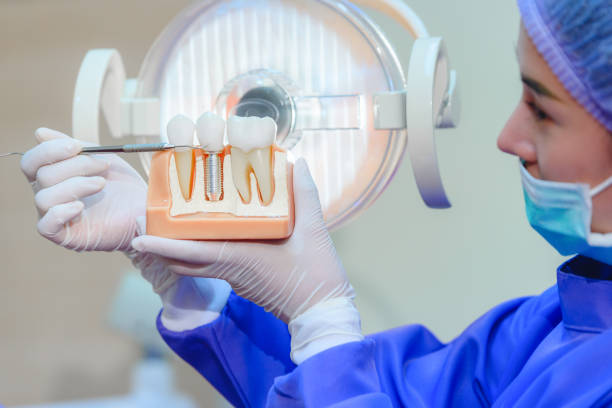
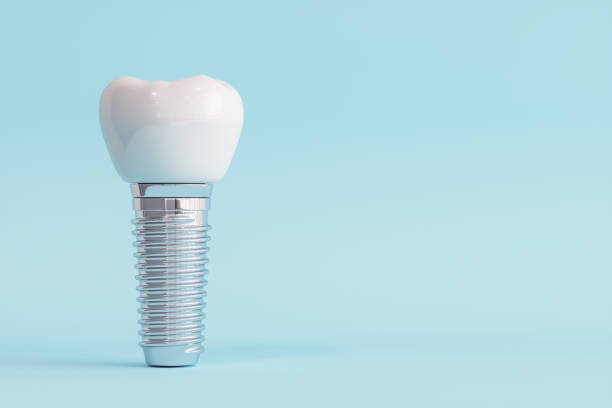
A single tooth dental implant generally consists of an implant post, an abutment, and a dental crown. The implant acts as the foundation, while the crown is designed to restore the visible portion of the tooth.
For patients considering this option, TruSmile provides information about the benefits of single tooth dental implants and how they can be used when replacing one missing tooth.
All-on-4 Dental Implants
Patients who have several missing teeth or require replacement of an entire arch may be candidates for All-on-4 dental implants. This approach uses four strategically positioned implants to support a full arch of replacement teeth.
The All-on-4 approach differs from replacing every missing tooth with an individual implant. Instead, the implants provide support for a connected dental restoration.
Treatment suitability depends on factors such as jawbone condition, oral health, existing teeth, and the patient’s overall treatment requirements. Patients interested in this approach can learn more about All-on-4 dental implants before discussing their options with a dental professional.
Full Mouth Dental Implants
Full mouth dental implants may be considered when a patient has extensive tooth loss or teeth that cannot be predictably restored. Rather than treating one isolated missing tooth, the treatment focuses on restoring the function of an entire mouth.
The treatment plan can vary considerably between patients. Some may require additional procedures before implants can be placed, while others may have sufficient bone and healthy tissues for the planned treatment.
What Happens During Dental Implant Treatment?
The first stage is a detailed consultation and examination. The dentist evaluates the patient’s oral health and discusses concerns, expectations, and available treatment options.
Diagnostic imaging may be used to examine the jawbone and determine the position of important anatomical structures. This information helps the dental team develop an appropriate treatment plan.
Once the implant is placed, a healing period may be required for the implant to integrate with the surrounding bone. After healing, the final restoration can be attached. The timeline differs from person to person, so patients should receive a personalised treatment schedule from their dental provider.
Are Dental Implants Suitable for Everyone?
Dental implants can be suitable for many adults with missing teeth, but they are not automatically appropriate for every patient. Healthy gums, adequate bone support, and good oral hygiene are important considerations.
Certain medical conditions, medications, smoking habits, or existing oral health problems may affect treatment planning or healing. This is why an individual assessment is essential before deciding whether dental implants are the right choice.
Patients should discuss their medical and dental history openly with their dentist so potential risks and treatment requirements can be properly evaluated.
Caring for Dental Implants
Good oral hygiene remains important after implant treatment. Although an implant itself cannot develop tooth decay in the same way as a natural tooth, the surrounding gums and tissues still require regular care.
Brushing, cleaning between teeth, attending routine dental appointments, and following the dental team’s maintenance recommendations can help support oral health.
Patients should also report persistent discomfort, swelling, bleeding, or changes around an implant to their dental provider rather than ignoring these symptoms.
Choosing the Right Dental Implant Treatment
The most suitable implant treatment depends on the number of missing teeth, the condition of the remaining teeth, jawbone health, gum health, and the patient’s individual goals.
A single implant may be appropriate for one missing tooth, while All-on-4 or full mouth dental implants may be considered when multiple teeth or an entire arch require replacement.
The best way to determine the right approach is through a professional consultation and comprehensive assessment rather than choosing a treatment based solely on general information.
Conclusion
Dental implants can provide a stable approach to replacing missing teeth while supporting everyday functions such as eating and speaking. From single tooth dental implants to All-on-4 and full mouth dental implants, different solutions are available depending on the patient’s individual needs.
Because every case is different, treatment should begin with a professional assessment rather than a one-size-fits-all approach. Understanding the available options can help patients have a more informed conversation with their dental provider about restoring their smile.