
Dental implants are a long-term tooth replacement option for people who have lost one or more teeth. Unlike removable dentures, implants are designed to replace the tooth root as well as the visible tooth. This can provide a stable foundation for a crown, bridge, or full arch of replacement teeth.
For people considering dental implants in Chula Vista, understanding how treatment works can make the decision-making process easier. The procedure involves several stages, from the initial examination and treatment planning to implant placement, healing, and attachment of the final restoration.
At Trusmile dental implants center, patients can discuss their individual tooth replacement needs and learn which implant approach may be appropriate for their oral health. Treatment can vary depending on the number of missing teeth, jawbone condition, general oral health, and the type of restoration required.
What Are Dental Implants?
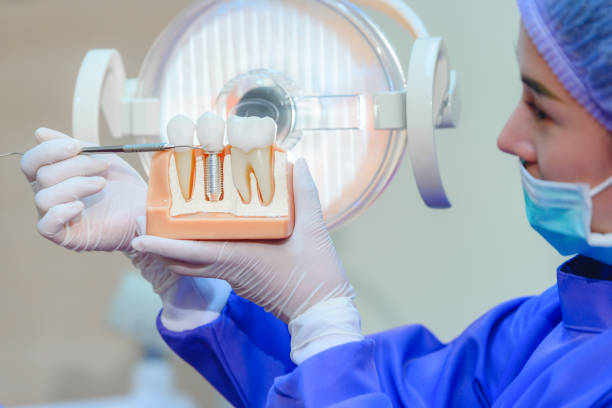
Dental implants are artificial tooth roots that are surgically placed into the jawbone. They are commonly made from titanium or other biocompatible materials that can integrate with the surrounding bone.
Once the implant has healed and become stable, it can support a dental restoration. Depending on the patient’s needs, this may be a single crown, an implant-supported bridge, or a full arch of replacement teeth.
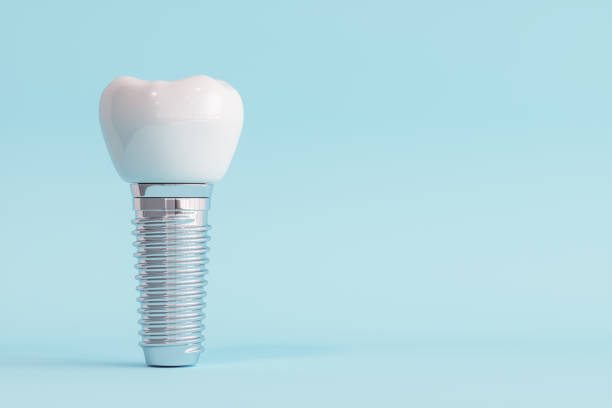
A typical implant consists of three main components:
- Implant: The portion placed into the jawbone and used to replace the natural tooth root.
- Abutment: A connector that attaches to the implant and supports the restoration.
- Restoration: The visible replacement tooth or teeth, such as a crown, bridge, or full arch.
This structure allows the replacement tooth to function more like a natural tooth than many conventional removable options.
Who May Need Dental Implants in Chula Vista?
Dental implants may be considered when a person has lost teeth because of decay, gum disease, injury, or other causes. They can be used to replace one missing tooth or several teeth.
However, not everyone is automatically a candidate for implant treatment. A dental professional generally evaluates the condition of the gums, remaining teeth, jawbone, and overall oral health before recommending treatment.
Patients may need additional procedures before implant placement. For example, if there is not enough healthy bone to support an implant, bone grafting may sometimes be considered. Active gum disease or untreated dental infections may also need to be addressed first.
A comprehensive evaluation helps determine whether implants are suitable and which treatment approach is most appropriate.
How Does the Dental Implant Procedure Work?
Dental implant treatment is completed in stages. The exact timeline varies from patient to patient, but the general process follows several steps.
Initial Consultation and Examination
The first stage involves an examination of the mouth and jaw. The dental professional may assess the condition of the gums, existing teeth, bite, and available jawbone.
Dental X-rays or three-dimensional imaging may also be used to examine the bone structure and identify important anatomical features. This information helps with treatment planning and implant positioning.
The number of missing teeth and the type of restoration required are also considered. Someone replacing one tooth may require a different approach from a patient who needs Full mouth dental implants.
Treatment Planning
After the examination, a personalised treatment plan can be developed. This may include the number of implants needed, the type of restoration, and whether additional procedures are necessary.
Treatment planning is particularly important because implant position can affect the function, appearance, and stability of the final restoration.
Implant Placement
During implant surgery, the implant is positioned into the jawbone at a planned location. Local anaesthesia is commonly used, although other forms of sedation may be discussed depending on the patient’s circumstances and the complexity of treatment.
After placement, the implant requires time to heal. During this period, the surrounding bone can gradually integrate with the implant through a process known as osseointegration.
Abutment and Final Restoration
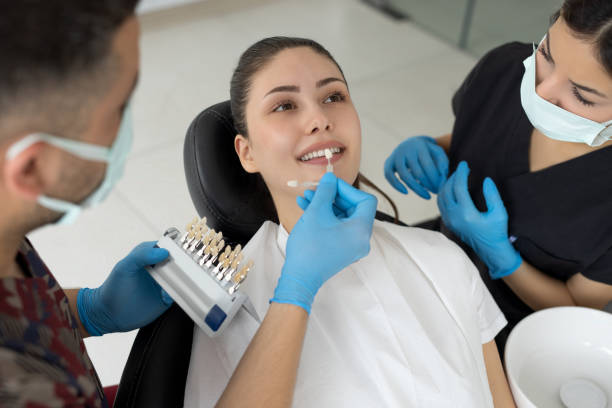
Once the implant has healed adequately, an abutment may be attached. The final crown, bridge, or full arch restoration can then be fitted.
The restoration is designed to work with the patient’s bite and surrounding teeth. Adjustments may be made to ensure appropriate comfort and function.
Single Dental Implants for Individual Missing Teeth
Single dental implants can be used when one tooth is missing. Instead of preparing neighbouring healthy teeth to support a traditional bridge, an implant-supported crown can replace the missing tooth independently.
The implant acts as the artificial root, while the crown provides the visible replacement.
Single-tooth implant treatment may be considered when:
- One tooth is missing
- The surrounding teeth are healthy enough to remain independent
- There is sufficient bone or a suitable plan to address bone deficiency
- The gums and surrounding tissues can support treatment
A dental examination is necessary to determine whether a single implant is appropriate for a particular situation.
Full Mouth Dental Implants
When a patient has lost most or all teeth in an arch, a full arch implant solution may be considered. Full mouth dental implants can use strategically positioned implants to support a complete set of fixed replacement teeth.
This approach differs from replacing each missing tooth individually. A carefully planned number of implants may be used to support a full arch restoration, depending on the patient’s anatomy and treatment plan.
Full mouth treatment may be considered for patients experiencing extensive tooth loss, severely damaged teeth, or difficulties with conventional dentures. However, suitability depends on individual factors such as bone volume, gum health, bite, and general health.
A consultation is necessary to determine whether a full arch implant solution is appropriate.
What Are Modern Dental Implants?
Advances in dental technology have changed how implant treatment is planned and performed. Modern dental implants may involve digital imaging, computer-assisted treatment planning, improved implant designs, and digitally designed restorations.
Three-dimensional imaging can provide a more detailed view of the jaw than conventional two-dimensional X-rays alone. This can help clinicians evaluate bone anatomy and plan implant placement more precisely.
Digital impressions and computer-aided design may also be used during the restoration stage. These technologies can contribute to a more coordinated treatment process, although the specific technology used varies between dental practices and individual cases.
Modern implant dentistry is therefore not simply about placing an implant. It involves assessment, planning, surgical placement, healing, and restoration as parts of a coordinated treatment process.
How Long Does Dental Implant Treatment Take?
There is no single treatment timeline that applies to every patient. Some straightforward cases may progress relatively quickly, while others require several months.
The overall timeframe can be influenced by:
- The number of teeth being replaced
- The condition and quantity of jawbone
- The need for bone grafting or other procedures
- The location of the implant
- Healing and osseointegration
- The type of final restoration
Patients should discuss the expected timeline during their consultation rather than relying on a standard timeframe.
Is Dental Implant Surgery Painful?
Dental implant placement is performed using anaesthesia to help prevent pain during the procedure. Some tenderness, swelling, or discomfort may occur after surgery as the tissues heal.
The level of discomfort varies depending on the number of implants placed and whether additional procedures are performed. Patients are typically given aftercare instructions to support recovery.
It is important to follow the dental professional’s instructions regarding oral hygiene, diet, activity, and follow-up appointments.
How to Know Which Implant Option Is Right for You
Choosing between a single implant, multiple implants, an implant-supported bridge, or a full arch solution depends on the individual circumstances.
The most important considerations include the number of missing teeth, the condition of the jawbone, gum health, bite, existing restorations, and the patient’s treatment goals.
A dental professional can use clinical examination and diagnostic imaging to determine which options may be suitable. Patients should also discuss expected treatment stages, potential risks, recovery, maintenance requirements, and alternatives before proceeding.
Dental Implants in Chula Vista: What to Expect
Choosing dental implants in Chula Vista starts with a thorough evaluation rather than simply selecting an implant type. The right treatment depends on the condition of the mouth and the patient’s specific tooth replacement needs.
At Trusmile dental implants center, patients can discuss their dental implant concerns and treatment requirements as part of the consultation process. Whether the concern involves one missing tooth or extensive tooth loss, an evaluation can help determine the available treatment options.
The goal of implant treatment is to replace missing teeth while considering function, oral health, appearance, and long-term maintenance.
Conclusion
Dental implants can provide a stable and long-term approach to replacing missing teeth. From single dental implants to Full mouth dental implants, the appropriate solution depends on the number of missing teeth, bone condition, gum health, and individual treatment requirements.
The treatment typically involves consultation and planning, implant placement, a healing period, and attachment of the final restoration. Advances in imaging and digital treatment planning have also contributed to the development of modern dental implants and more detailed approaches to implant care.
If you are considering dental implants in Chula Vista, a professional evaluation is the best way to understand whether implant treatment is suitable and what options may be available. For further information about your treatment needs, you can contact us at Trusmile dental implants center to discuss the next steps.