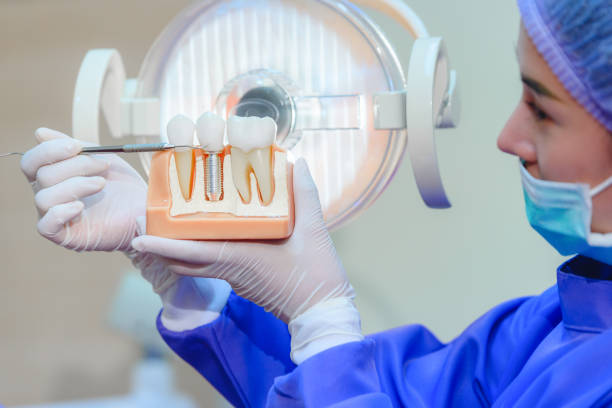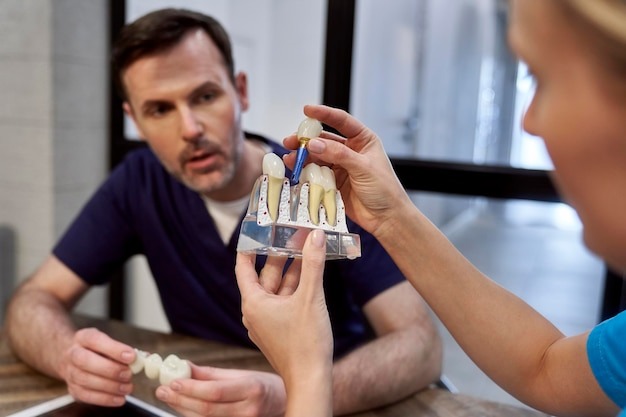
Losing a tooth can affect more than the appearance of a smile. Depending on the number of missing teeth, their location, and the condition of the surrounding bone and gums, different replacement options may be considered. Dental implants provide a way to replace missing teeth using implant posts that support crowns, bridges, or implant-supported dentures.
TruSmile provides dental implant treatment options for people with different patterns of tooth loss. Understanding the differences between single-tooth implants, All-on-4 treatment, and full-mouth dental implants can help patients have more informed conversations with their dental provider.
Why the Number of Missing Teeth Matters
The most suitable implant approach depends partly on how many teeth are missing. Replacing one missing tooth is different from restoring an entire arch of teeth. The condition of the jawbone, remaining teeth, gums, bite, and overall oral health can also influence treatment planning.
Dental implants are placed into the jawbone and are designed to provide a stable foundation for a replacement tooth or prosthetic restoration. However, not every patient needs the same number of implants or the same type of restoration.
A dental examination and appropriate imaging are generally needed before an implant treatment plan can be established.
Single Tooth Dental Implants for One Missing Tooth
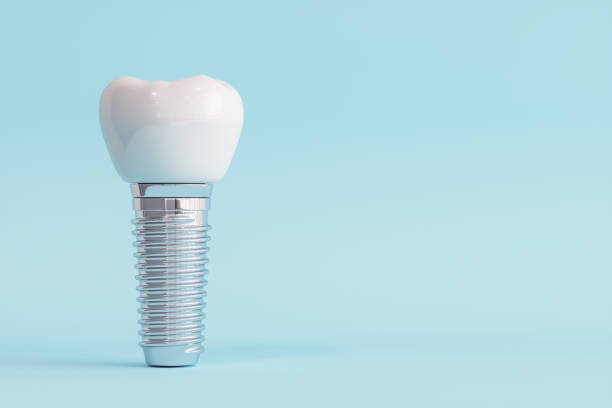
When only one tooth is missing, a single implant can be considered as an alternative to replacing the tooth with a traditional bridge. A single-tooth implant typically consists of an implant post, an abutment, and a dental crown.
The implant is placed in the area where the tooth root was located. After the implant integrates with the surrounding bone, an abutment and crown can be attached to complete the restoration.
What Makes a Single Implant Different?
One of the main characteristics of a single implant is that it can replace the missing tooth without requiring the adjacent teeth to serve as supports. This can be relevant for patients who have healthy neighboring teeth.
However, suitability depends on factors such as available bone, gum health, bite forces, and the position of the missing tooth.
All-on-4 Dental Implants for an Entire Arch
Patients who have lost most or all of the teeth in one dental arch may require a different approach. All-on-4 Dental Implants are designed to support a full-arch restoration using four strategically positioned implants.
Instead of placing an individual implant for every missing tooth, the treatment uses a smaller number of implants to support a fixed prosthetic restoration. The exact treatment approach depends on the patient’s anatomy and clinical circumstances.
Who May Consider All-on-4 Treatment?
All-on-4 treatment may be considered for people who have extensive tooth loss or teeth that cannot be predictably restored. It can also be an option for some patients who have experienced bone loss, although the suitability of the approach must be determined through clinical evaluation.
The procedure is not simply a matter of replacing four teeth. The implants are planned according to the position of the jawbone, the intended restoration, and the patient’s bite.
Full Mouth Dental Implants for Extensive Tooth Loss
When tooth loss affects an entire mouth, a broader treatment plan may be required. Full Mouth dental Implants involve restoring the teeth in both the upper and lower arches, depending on the patient’s needs.
The term “full mouth” does not necessarily mean that every missing tooth receives an individual implant. Instead, implant-supported restorations may be designed to replace multiple teeth while using implants as a stable foundation.
What Is Considered During Full-Mouth Planning?
Full-mouth implant treatment requires careful planning because multiple factors must work together. These can include:
- Jawbone volume and density
- Gum and periodontal health
- Existing teeth and restorations
- Bite and jaw relationship
- Overall medical and dental history
- The type of final restoration being considered
The goal of planning is to create a restoration that works with the patient’s oral structures rather than treating individual missing teeth in isolation.
How Dental Implant Options Compare
The primary difference between these approaches is the extent of tooth loss they are intended to address.
| Treatment option | Typical situation | General approach |
| Single-tooth implant | One missing tooth | One implant supports one replacement tooth |
| All-on-4 | Extensive tooth loss in one arch | Four implants support a full-arch restoration |
| Full-mouth implants | Tooth loss affecting the full mouth | Implant-supported restorations address both arches when appropriate |
These descriptions provide a general overview rather than a diagnosis. The appropriate treatment depends on individual clinical findings.
What Happens Before Dental Implant Treatment?
Before treatment begins, a dental professional generally evaluates the condition of the teeth, gums, jawbone, and bite. Diagnostic imaging may also be used to examine bone structure and identify important anatomical features.
If there is insufficient bone for the planned implant placement, additional procedures may sometimes be considered. Gum disease or other oral health concerns may also need to be addressed before implant treatment.
This assessment is important because the same implant solution is not appropriate for every patient.
Choosing Between Implant Treatment Options
The decision should be based on the patient’s specific pattern of tooth loss rather than simply choosing the option with the greatest number of implants or the most extensive restoration.
For someone missing one tooth, replacing the individual tooth may be more appropriate than a full-arch restoration. Conversely, someone with extensive tooth loss may need a treatment plan that considers the entire dental arch.
Patients should also discuss treatment stages, healing time, restoration design, maintenance requirements, and expected outcomes with their dental provider before making a decision.
Discussing Your Dental Implant Options
Dental implant treatment is not a one-size-fits-all process. A single missing tooth, multiple missing teeth, and complete tooth loss can require substantially different treatment plans.
Understanding the distinctions between single-tooth implants, All-on-4 treatment, and full-mouth dental implants can help patients prepare for a more productive consultation. Anyone considering treatment should have their oral health, bone structure, remaining teeth, and restoration needs assessed before deciding on an approach.
To discuss treatment options and arrange an evaluation, patients can Contact TruSmile.