
Replacing missing teeth is an important decision that involves more than restoring the appearance of a smile. Missing teeth can affect chewing, speech, confidence, and the way the remaining teeth function. Dental implants offer a long-term tooth replacement option, but concerns about treatment costs can make patients hesitant to explore their choices.
At Trusmile Dental Implants Center, patients can learn about different implant treatment options based on their individual dental needs. Whether someone needs to replace one missing tooth or several teeth, understanding the treatment process, factors that influence cost, and available approaches can make planning for dental implants in Chula Vista easier.
The goal is not simply to choose the lowest-priced treatment. A more useful approach is to understand what is included, what type of implant treatment is appropriate, and how the investment may fit into long-term oral health needs.
What Makes Dental Implants Different From Other Tooth Replacement Options?
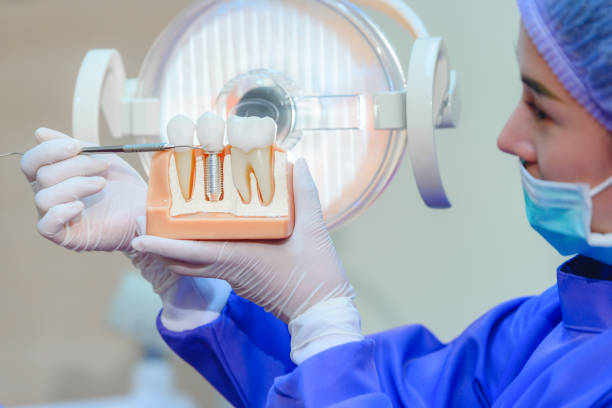
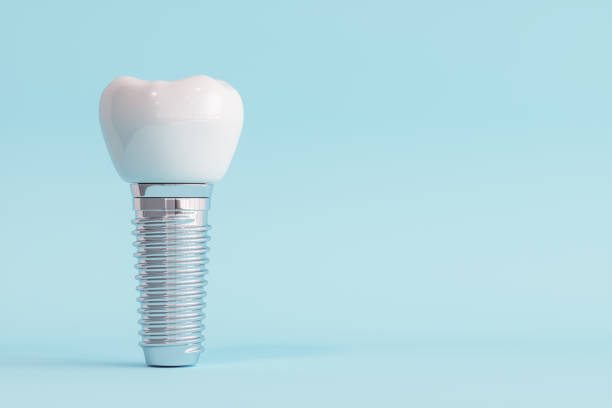
A dental implant is designed to replace the root portion of a missing tooth. It typically consists of a titanium or other biocompatible implant post, an abutment, and a dental crown. The implant is placed into the jawbone, where it can integrate with the surrounding bone over time.
Traditional bridges and dentures can also replace missing teeth, but they work differently. A bridge generally relies on neighbouring teeth for support, while removable dentures rest on the gums and can replace multiple missing teeth without being fixed directly into the jaw.
Dental implants are intended to provide a stable foundation for replacement teeth. Because treatment involves surgical placement and a healing period, the overall process can be more involved than some conventional tooth replacement options.
For this reason, the cost of implants should be considered alongside the treatment requirements, expected longevity, maintenance needs, and suitability for the individual patient.
How Much Do Dental Implants in Chula Vista Cost?
There is no single price for dental implants because every treatment plan is different. The total cost depends on factors such as the number of teeth being replaced, the type of restoration required, the condition of the jawbone, and whether additional procedures are necessary.
A patient receiving a single dental implant may have a very different treatment plan from someone who requires Full mouth dental implants. The materials used for the restoration and the complexity of the procedure can also influence the final cost.
Some common factors that may affect the overall investment include:
- Number of implants required
- Type of replacement teeth
- Bone grafting or other preparatory treatment
- Imaging and treatment planning
- Implant and restoration materials
- Complexity of the surgical procedure
- Follow-up appointments and maintenance
Instead of comparing implant treatment based only on an advertised starting price, patients should ask what is included in the quoted cost. A lower initial figure may not include every part of the treatment.
Why Are Dental Implants Considered a Long-Term Investment?
The cost of dental implants can appear higher than some removable tooth replacement options at the beginning. However, evaluating the treatment only by its initial price does not provide the complete picture.
A dental implant is intended to replace the missing tooth root as well as support a replacement tooth. Once treatment has been completed and the implant has successfully integrated with the jawbone, it can provide a stable foundation for everyday functions such as eating and speaking.
Implants also differ from traditional bridges because the implant itself does not require neighbouring healthy teeth to be reduced for support.
The long-term value of treatment depends on several factors, including oral hygiene, regular dental care, overall health, the quality of the restoration, and how well the implant is maintained.
Patients should therefore consider both the initial cost and the expected maintenance requirements when comparing tooth replacement options.
Choosing Between Single Dental Implants and Multiple Implants
The number of missing teeth plays an important role in determining which implant approach may be appropriate.
Single Dental Implants
A single dental implant is generally considered when one tooth is missing and the surrounding oral structures are suitable for implant treatment. The implant supports an individual crown designed to replace the missing tooth.
One advantage of replacing an individual missing tooth with an implant-supported crown is that the adjacent teeth generally do not need to serve as bridge supports. However, the patient still needs an evaluation to determine whether there is enough bone and whether the gums and surrounding teeth are healthy.
Multiple Tooth Replacement
When several teeth are missing, treatment may involve multiple implants supporting several crowns or a larger implant-supported restoration. The number of implants required does not necessarily have to match the number of missing teeth.
The appropriate approach depends on factors such as the location of missing teeth, available bone, bite, gum health, and the desired type of restoration.
Full Mouth Dental Implants
Full mouth dental implants may be considered when most or all teeth in an arch need replacement. Rather than placing an individual implant for every missing tooth, strategically positioned implants can be used to support a fixed full-arch restoration in appropriate cases.
This approach can be more complex than replacing one tooth and may involve detailed planning before treatment begins. Patients considering full-mouth treatment should receive a comprehensive evaluation to determine whether this option is suitable for their oral health and goals.
What Can Make Implant Treatment More Affordable?
Affordability does not necessarily mean choosing the least expensive treatment available. It can mean selecting an appropriate treatment plan and understanding the costs before starting.
One important step is to determine whether additional procedures are needed. For example, some patients may require bone grafting because there is insufficient bone to support an implant. Treating gum disease or addressing existing dental problems may also be necessary before implant placement.
Planning treatment in stages may also be relevant for some patients. Depending on individual circumstances, a dentist may recommend addressing urgent dental needs first and completing additional implant treatment later.
Patients can also ask for a complete treatment estimate that explains the different components of care. Understanding the expected costs for the implant, restoration, imaging, surgical treatment, and follow-up care can make financial planning easier.
Are Modern Dental Implants Worth the Cost?
The term modern dental implants generally refers to current implant systems, techniques, materials, and treatment-planning methods used to improve the predictability and functionality of implant treatment.
Modern implant dentistry may involve digital imaging and detailed treatment planning to assess the jawbone and determine suitable implant positions. However, technology alone does not determine whether treatment will be successful.
The patient’s oral health, bone quality, gum condition, medical history, treatment planning, implant placement, restoration, and ongoing maintenance all play important roles.
For this reason, patients should focus on whether a proposed treatment is appropriate for their circumstances rather than choosing an option simply because it uses newer technology.
What Happens Before Getting Dental Implants?
An implant consultation usually begins with an assessment of the patient’s teeth, gums, jawbone, and overall oral health. Dental imaging may be used to evaluate bone structure and identify anatomical considerations that may affect treatment.
The dentist can then discuss possible treatment options and explain whether additional procedures may be necessary.
This stage is particularly important for patients looking for affordable treatment because it provides an opportunity to understand the full scope of care before committing to a procedure.
A treatment plan may include:
- Dental examination and diagnostic imaging
- Assessment of gum and bone health
- Discussion of available tooth replacement options
- Implant placement when appropriate
- Healing and integration period
- Placement of the final restoration
- Ongoing dental examinations and maintenance
The exact sequence and duration can vary considerably from one patient to another.
How Can Patients Avoid Unexpected Implant Costs?
Understanding the treatment plan in advance can help reduce financial surprises. Patients should ask specific questions during their consultation rather than focusing only on the implant’s advertised price.
For example, it can be useful to ask whether the quoted cost includes diagnostic imaging, the implant itself, the abutment, the crown or other restoration, surgical appointments, and follow-up care.
Patients should also ask whether additional procedures could be necessary and how those procedures would affect the overall treatment cost.
Another consideration is maintenance. Dental implants are not maintenance-free. Good oral hygiene and regular dental examinations remain important after treatment.
Taking care of the surrounding gums and teeth can help protect the overall oral environment and support the long-term function of the restoration.
How to Decide If Dental Implants Are Right for You
Dental implants may be suitable for many adults with missing teeth, but they are not automatically the best option for everyone.
The condition of the jawbone is an important consideration because the implant needs sufficient bone support. Gum health is also relevant, as active gum disease may need to be addressed before implant placement.
Lifestyle and general health factors may also influence treatment planning. A dentist can review these considerations and explain whether an implant, bridge, denture, or another option may be more appropriate.
Patients should also consider their priorities. Someone missing one tooth may need a very different solution from someone who has lost most of their teeth. Understanding the available choices can help prevent patients from paying for treatment that does not match their actual needs.
Planning Affordable Dental Implants in Chula Vista
Choosing affordable dental implants in Chula Vista starts with understanding the complete treatment rather than looking for the lowest advertised cost. The number of missing teeth, type of restoration, bone condition, preparatory procedures, and long-term maintenance can all affect the overall investment.
At Trusmile Dental Implants Center, patients can discuss their individual tooth replacement needs and learn about implant options that may be appropriate for their circumstances. Whether the treatment involves a single missing tooth, several missing teeth, or Full mouth dental implants, an evaluation can help determine the most suitable approach.
A consultation can also help patients understand what their treatment may involve and what factors could affect the overall cost. Patients considering implant treatment can contact us to discuss their options and arrange an evaluation.