
Losing a tooth can affect more than the appearance of your smile. A missing tooth may make chewing more difficult, affect speech, and allow nearby teeth to shift into the empty space. Fortunately, several tooth replacement options are available, with dental bridges and dental implants being two commonly considered treatments.
At TruSmile Dental Implant Center, patients can explore implant-based solutions for different levels of tooth loss, including single implants, multiple-implant restorations, and full-arch treatment. Understanding how each option works can make it easier to discuss suitable treatment choices with a dental professional.
This guide compares dental bridges and dental implants, including how they work, their advantages and limitations, maintenance requirements, and factors that may influence which option is appropriate.
What Is a Dental Bridge?
A dental bridge is a fixed dental restoration designed to replace one or more missing teeth. A traditional bridge generally uses the natural teeth next to the gap as supports. These teeth are prepared so that crowns can be placed over them, with an artificial tooth, known as a pontic, positioned between the supporting crowns.
The bridge fills the visible gap and can restore some chewing function. Unlike a removable denture, a fixed bridge is attached to the supporting teeth and is not normally removed by the patient.
A bridge may be considered when the neighbouring teeth are healthy enough to provide support and when an implant is not suitable or is not the preferred treatment.
What Are Dental Implants?
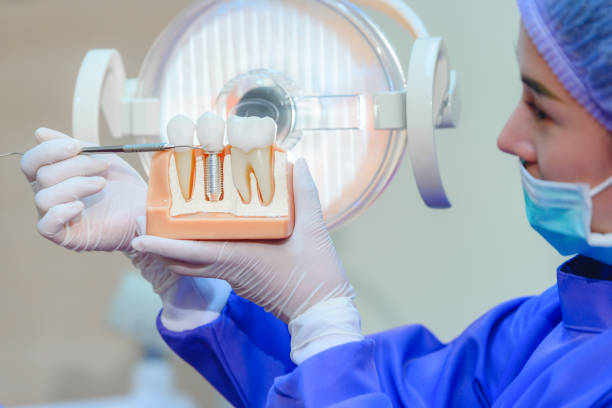
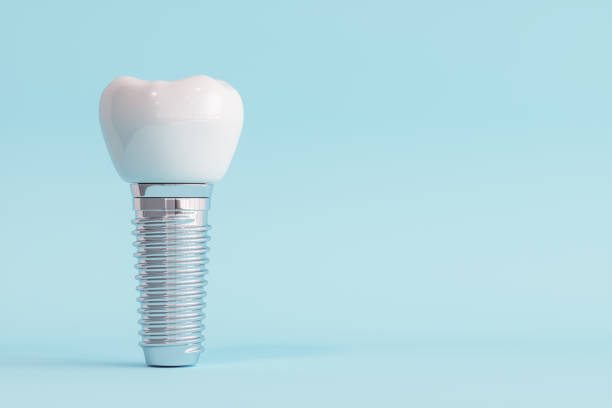
Dental implants are designed to replace a missing tooth from the root upward. An implant consists of a post, commonly made from titanium or another biocompatible material, that is placed into the jawbone. After healing, the implant can support a dental crown, bridge, or another restoration.
Because the implant is anchored in the jawbone, it does not rely on neighbouring natural teeth in the same way as a traditional bridge.
Modern dental implants may also be used in more extensive tooth replacement procedures. Depending on the condition of the patient’s teeth, gums, bone, and overall oral health, treatment may involve single dental implants, multiple implants, or implant-supported full-arch restorations.
Dental Bridge vs Dental Implant: Key Differences
Although both treatments can replace missing teeth, they work in fundamentally different ways.
A dental bridge primarily replaces the visible part of a missing tooth and relies on adjacent teeth for support. A dental implant replaces the tooth root as well as supporting a replacement crown.
The most appropriate choice depends on factors such as the number of missing teeth, the condition of the neighbouring teeth, available jawbone, gum health, medical history, treatment preferences, and long-term maintenance considerations.
How They Are Supported
A traditional bridge is supported by adjacent teeth. This means the neighbouring teeth play an important role in the stability of the restoration.
An implant is anchored into the jawbone. Once healing and integration have taken place, the implant provides a foundation for the replacement tooth.
Effect on Adjacent Teeth
One important difference is how the treatments interact with neighbouring teeth.
Traditional bridges may require the supporting teeth to be reshaped so that crowns can be placed over them. This is a significant consideration when those teeth are otherwise healthy.
A single implant generally does not require adjacent healthy teeth to be prepared for support. The implant is placed independently in the space left by the missing tooth.
Bone Considerations
When a tooth is lost, the area of the jawbone that previously supported its root no longer receives the same stimulation. Over time, bone volume can decrease in that region.
Dental implants are placed into the jawbone and can help maintain bone structure around the implant site. However, adequate bone is needed for implant placement. Some patients may require additional procedures to improve the available bone before implant treatment.
A traditional bridge does not replace the missing tooth root, so it does not provide the same type of direct stimulation to the underlying bone.
Advantages of Dental Bridges
Dental bridges can be a practical solution for certain patients. They have been used for many years and can provide a fixed way to replace missing teeth.
A bridge can also be appropriate when the neighbouring teeth already require crowns or substantial restoration. In such situations, using those teeth to support a bridge may be a reasonable treatment approach.
Other potential advantages include a relatively straightforward treatment process compared with implant surgery and no need for an implant to integrate with the jawbone.
However, the suitability of a bridge depends heavily on the health and strength of the supporting teeth.
Limitations of Dental Bridges
A traditional bridge is not suitable for every missing-tooth situation.
The supporting teeth usually need to be prepared, which means removing some natural tooth structure. If the supporting teeth are weak, heavily damaged, or affected by certain dental problems, they may not provide reliable support.
Cleaning underneath and around a bridge also requires careful oral hygiene. Food and plaque can accumulate around the restoration, particularly near the gumline, making regular brushing and specialised cleaning important.
A bridge may also need replacement in the future because dental restorations can experience wear, damage, or changes in the supporting teeth and gums.
Advantages of Dental Implants
Dental implants provide a different approach to tooth replacement because they replace the function of a tooth root.
One major advantage is that an implant can support a replacement tooth without requiring neighbouring healthy teeth to act as anchors. This makes single dental implants particularly useful when an individual tooth is missing and the surrounding teeth are otherwise suitable.
Implants can also be used to support larger restorations. For patients who have lost many or all of their teeth, implant-supported treatment may provide an alternative to conventional removable dentures.
Another consideration is jawbone preservation. Because an implant is positioned within the bone, it can help maintain the bone around the implant site after successful integration.
Limitations of Dental Implants
Dental implants are not automatically the best choice for every patient.
Implant treatment involves a surgical procedure, followed by a healing period. The overall treatment timeline can therefore be longer than that of some bridge treatments.
The condition of the jawbone and gums is important. Patients with insufficient bone may need additional treatment before an implant can be placed. Active gum disease and certain health or lifestyle factors may also affect implant planning and healing.
Dental implants also require ongoing oral hygiene and professional dental care. Although implants are designed as long-term restorations, they are not maintenance-free.
Dental Implants Bridge: What Does It Mean?
The phrase dental implants bridge can refer to a bridge that is supported by dental implants rather than natural teeth.
This treatment is different from a traditional tooth-supported bridge. Instead of preparing neighbouring natural teeth, one or more implants can act as the foundation for the bridge.
An implant-supported bridge may be considered when several adjacent teeth are missing. Rather than placing an individual implant for every missing tooth, the dentist may determine that a bridge supported by strategically positioned implants is more appropriate.
The exact design depends on the number and position of missing teeth, bone availability, bite, gum health, and the patient’s treatment requirements.
Single Dental Implants vs Dental Bridges
For a person missing one tooth, the comparison is often between a single dental implant with a crown and a traditional bridge.
A single dental implant is independently supported in the jaw and generally does not require the neighbouring teeth to be used as anchors. A bridge, on the other hand, uses the teeth on either side of the space for support.
If the neighbouring teeth are healthy, preserving their natural structure may be an important consideration. However, if those teeth already need significant restoration, a bridge may still be a suitable option.
The decision should therefore be based on the condition of the entire area rather than simply choosing the treatment that appears more advanced.
Full Mouth Dental Implants for Extensive Tooth Loss
Patients who have lost most or all of their teeth may require a different treatment approach from someone missing one tooth.
Full mouth dental implants can involve placing several implants to support fixed replacement teeth across an entire arch or both arches. The number of implants and the type of restoration depend on individual anatomy and treatment planning.
This approach can be different from replacing every missing tooth with an individual implant. Strategically positioned implants may support a larger fixed restoration.
For patients considering full-arch treatment, the evaluation generally includes an assessment of the gums, jawbone, remaining teeth, bite, oral function, and overall suitability for implant treatment.
Which Option Lasts Longer?
The lifespan of a dental restoration depends on many factors, including oral hygiene, bite forces, the condition of supporting tissues, materials, maintenance, and regular dental care.
Dental bridges can provide long-term service when properly planned and maintained. However, their longevity is also influenced by the health of the supporting teeth.
Dental implants are designed as long-term tooth replacement solutions, but the implant and the visible restoration are different components. The implant itself may remain functional for many years, while the crown or bridge attached to it can experience normal wear and may eventually require repair or replacement.
Good oral hygiene and regular dental examinations are important for both options.
Which Is Easier to Maintain?
Neither treatment should be considered maintenance-free.
With a dental bridge, brushing remains important, but patients also need to clean beneath the artificial tooth and around the supporting crowns. Floss threaders, interdental brushes, or other cleaning aids may be recommended depending on the bridge design.
Dental implants should also be brushed and cleaned around carefully. The gums surrounding an implant need regular attention because inflammation around an implant can affect the tissues supporting it.
Professional examinations can help identify problems early and ensure that the restoration and surrounding tissues remain healthy.
Factors That Can Influence Your Choice
There is no single tooth replacement option that is appropriate for everyone. A dentist may consider several factors before recommending a treatment.
These can include:
- Number and location of missing teeth
- Health of neighbouring teeth
- Gum condition
- Jawbone volume and density
- Bite and chewing forces
- Oral hygiene
- General health and healing considerations
- Previous dental treatment
- Treatment timeline and personal preferences
Cost can also influence a patient’s decision, but comparing prices alone may not provide a complete picture. Different treatments involve different procedures, maintenance requirements, and long-term considerations.
How to Decide Between a Bridge and an Implant
The best approach is to begin with a professional dental examination rather than deciding based only on general comparisons.
Your dentist may use dental X-rays or other imaging to assess the missing-tooth area. For implant planning, the available bone and surrounding anatomical structures may need to be evaluated in greater detail.
A discussion should also cover the condition of neighbouring teeth, the expected treatment process, maintenance requirements, potential risks, and available alternatives.
At TruSmile Dental Implant Center, implant treatment can include options ranging from single implants to fixed full-arch restorations. The appropriate approach depends on the patient’s individual dental condition and treatment requirements.
Dental Bridges vs Dental Implants: Which Is Best?
Neither dental bridges nor dental implants can be considered universally better.
A bridge may make sense when the supporting teeth are suitable, when an implant is not appropriate, or when the patient and dentist determine that a bridge best fits the treatment plan.
An implant may be preferable when preserving neighbouring healthy teeth is important and the patient has suitable bone and gum health. For multiple or complete tooth loss, implant-supported bridges and full-arch restorations can provide additional treatment options.
The most suitable solution is the one that fits the patient’s oral health, anatomy, functional needs, and long-term treatment goals.
Conclusion
Choosing between a dental bridge and a dental implant requires more than comparing the appearance of the finished restoration. The treatments differ in how they are supported, how they affect neighbouring teeth, how they interact with the jawbone, and how they are maintained.
A traditional bridge can be a useful fixed replacement when the surrounding teeth can provide adequate support. Dental implants offer a root-based approach and can be used for individual missing teeth, implant-supported bridges, and full-arch restorations.
If you are considering tooth replacement, contact us to discuss your options with a dental professional and determine which treatment approach may be appropriate for your individual needs.