Replacing missing teeth is about more than improving appearance. It can help restore your ability to chew comfortably, support clear speech, and maintain the natural shape of your face. Today, Dental Implants and Dentures are two of the most common treatment options for replacing missing teeth, but each offers different benefits depending on your oral health, lifestyle, and long-term goals.
Understanding Tooth Replacement Options with TruSmile
At TruSmile, patients receive personalised guidance to understand different tooth replacement solutions based on their unique dental needs. Whether someone has lost a single tooth or multiple teeth, choosing between Dental Implants and Dentures requires careful consideration of factors such as oral health, bone density, budget, maintenance, and expected long-term results.
This guide explains how both treatments work, their advantages and limitations, and the situations where each option may be suitable. It also addresses several common myths through Dental Implants Debunked to help patients make informed decisions.
Why Replacing Missing Teeth Matters
Missing teeth can affect much more than your smile. Over time, tooth loss may lead to:
- Difficulty chewing certain foods
- Changes in speech
- Bone loss in the jaw
- Shifting of surrounding teeth
- Changes in facial appearance
- Reduced confidence
Replacing missing teeth early can help preserve oral function and support long-term dental health.
What Are Dental Implants?
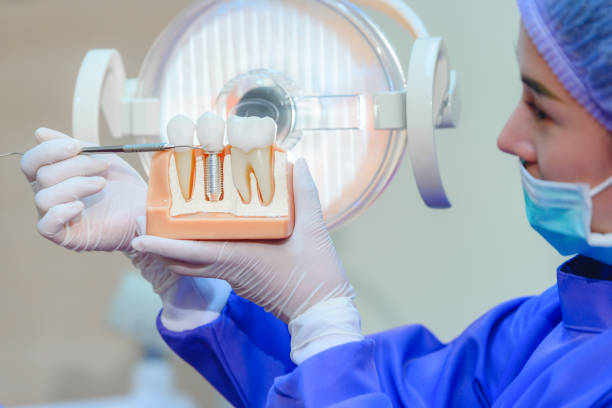
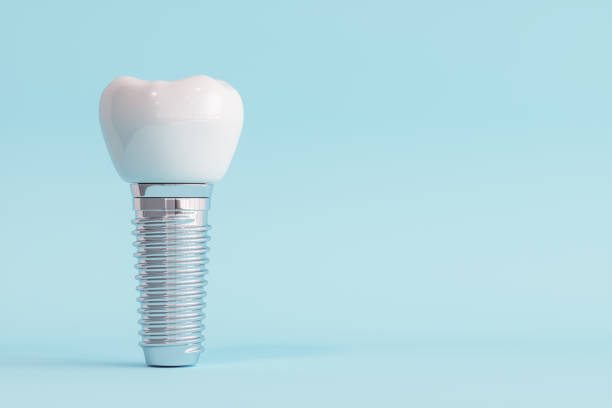
Dental Implants are artificial tooth roots made from biocompatible titanium. They are surgically placed into the jawbone, where they gradually fuse with the bone through a natural process called osseointegration.
Once healing is complete, a custom-made dental crown, bridge, or implant-supported denture is attached to the implant.
Components of a Dental Implant
A complete implant restoration usually includes:
- Implant post
- Abutment
- Custom crown, bridge, or denture
Because implants integrate with the jawbone, they closely resemble the strength and function of natural teeth.
What Are Dentures?
Dentures are removable appliances designed to replace missing teeth and surrounding gum tissue.
They come in different forms:
Complete Dentures
These replace an entire upper or lower arch after all natural teeth have been removed.
Partial Dentures
Partial dentures replace several missing teeth while remaining natural teeth help support the appliance.
Implant-Supported Dentures
These combine traditional dentures with Dental Implants to improve stability and reduce movement.
Comfort and Everyday Use
Comfort is often one of the biggest considerations when comparing Dental Implants with Dentures.
Dental implants remain fixed in place, allowing patients to eat, speak, and smile without worrying about movement. Since implants function like natural tooth roots, many people adapt to them quickly after healing.
Dentures, however, may require an adjustment period. Some patients experience minor movement while eating or speaking, particularly with traditional removable dentures. Regular adjustments may also be necessary as the jaw changes over time.
Appearance and Confidence
Modern dental technology allows both implants and dentures to provide natural-looking results.
However, Dental Implants often provide a more natural appearance because they emerge directly from the gums like real teeth. Since implants help preserve jawbone structure, they can also reduce the facial changes associated with tooth loss.
Traditional Dentures restore the appearance of missing teeth but cannot prevent gradual bone shrinkage that naturally occurs after teeth are lost.
Eating and Speaking
One major difference between these treatments is chewing efficiency.
Dental Implants
Patients can typically enjoy:
- Crisp vegetables
- Steak
- Nuts
- Apples
- Corn on the cob
Once fully healed, implants provide excellent biting strength.
Dentures
Although dentures restore chewing ability, some foods may remain challenging, including:
- Sticky foods
- Hard foods
- Tough meats
Many patients adjust their diet while becoming accustomed to dentures.
Long-Term Oral Health
Replacing missing teeth also affects future oral health.
Dental Implants
Because implants stimulate the jawbone, they help reduce bone loss after tooth extraction. This support helps maintain facial structure and keeps neighbouring teeth stable.
Dentures
Traditional dentures rest on the gums without stimulating the jawbone. Over time, gradual bone loss may change how dentures fit, making periodic relining or replacement necessary.
Maintenance Requirements
Proper oral hygiene is essential regardless of the treatment selected.
Caring for Dental Implants
Implants should be cared for similarly to natural teeth.
Daily care includes:
- Brushing twice daily
- Flossing around implants
- Routine dental check-ups
- Professional cleanings
Caring for Dentures
Dentures require:
- Daily cleaning with appropriate products
- Overnight soaking when recommended
- Regular dental examinations
- Periodic adjustments to maintain fit
Consistent care helps maximise the lifespan of both treatment options.
Cost Considerations
Many patients compare treatment costs before making a decision.
Dental Implants generally involve a higher initial investment because they include surgery, healing, and customised restorations. However, they often require fewer replacements over the years.
Dentures usually have a lower upfront cost but may need repairs, relining, or replacement as the jaw changes with time.
When evaluating treatment, many patients consider long-term value rather than only the initial expense.
Who May Be a Good Candidate for Dental Implants?
Many adults qualify for implants, although suitability depends on several factors.
Potential candidates often have:
- Healthy gums
- Good overall oral health
- Adequate jawbone density
- Good oral hygiene habits
- Commitment to regular dental visits
Some patients who have experienced bone loss may still qualify after bone grafting procedures.
A comprehensive consultation helps determine eligibility.
Who May Be Better Suited for Dentures?
Dentures may be appropriate for individuals who:
- Have significant tooth loss
- Prefer a non-surgical option
- Have medical conditions limiting surgery
- Need a faster replacement solution
- Have insufficient jawbone for implants without additional procedures
Every patient’s treatment plan should be based on a professional dental assessment.
Dental Implants Debunked
There are many misconceptions surrounding implant treatment. Understanding the facts can help patients make confident decisions.
Myth 1: Dental Implants Are Only for Older Adults
False.
Adults of various ages may qualify for implants once jaw development is complete.
Myth 2: Implant Surgery Is Extremely Painful
False.
Modern techniques and local anaesthesia help minimise discomfort. Many patients report that recovery is easier than expected.
Myth 3: Dental Implants Look Artificial
False.
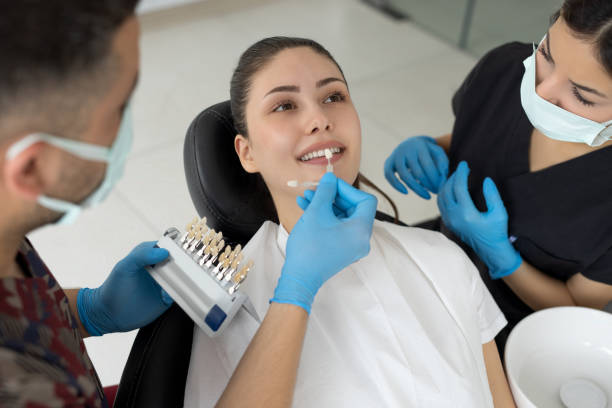
Modern implant restorations are carefully designed to match surrounding natural teeth in colour, size, and shape.
Myth 4: Dentures Always Look Fake
False.
Today’s dentures are far more natural-looking than older designs and are customised for each patient.
Myth 5: Dental Implants Require Special Cleaning Products
False.
Most implants can be maintained using normal brushing, flossing, and regular dental visits.
Understanding these facts is an important part of Dental Implants Debunked, helping patients separate myths from evidence-based information.
Which Smile Solution Is Right for You?
There is no single answer that suits everyone.
Dental Implants may be appropriate for individuals seeking:
- Long-term stability
- Natural appearance
- Improved chewing function
- Jawbone preservation
Dentures may suit individuals looking for:
- A removable solution
- Lower initial treatment costs
- Replacement for multiple missing teeth
- Non-surgical treatment options
A complete dental examination remains the best way to determine which option aligns with your oral health needs.
Making an Informed Decision
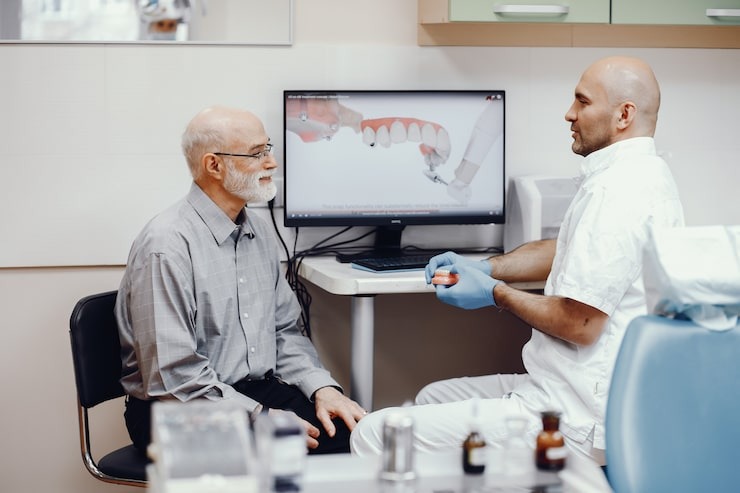
Choosing between Dental Implants and Dentures involves balancing comfort, function, maintenance, oral health, and long-term expectations. Understanding how each option works allows patients to have more productive discussions with their dental provider.
Every smile is unique, and treatment recommendations should always be based on a personalised assessment rather than general assumptions.
If you would like to learn more about available treatment options or discuss your individual situation, contact us to arrange a consultation with the team at TruSmile.