By Dr. Miguel A. Estrella, DDS – TruSmile Dental Implant Center
If you’re missing teeth, choosing the right solution can be overwhelming. Two of the most common options—dental implants and dentures—each offer benefits, but they differ significantly in comfort, stability, longevity, and impact on your oral health.
At TruSmile Dental Implant Center, we help patients weigh the pros and cons to determine which option is the best fit. Here’s a side-by-side breakdown of dental implants versus dentures, backed by research and clinical experience.
1. Stability and Comfort
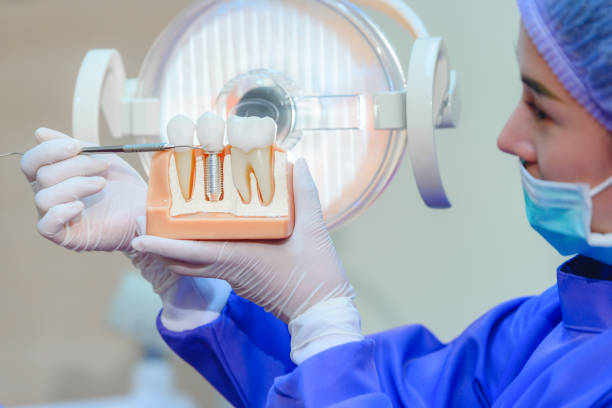
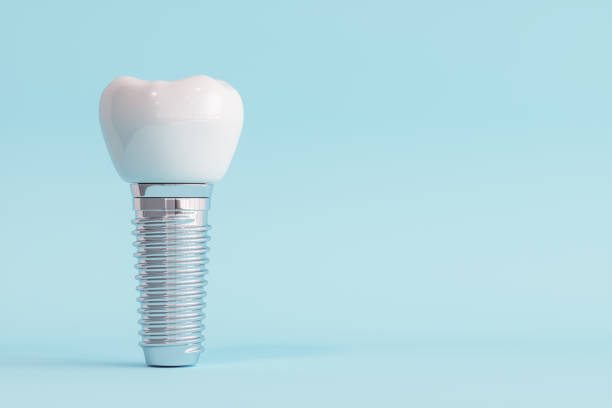
Dental Implants are surgically anchored into your jawbone, creating a secure and permanent foundation. Once integrated with bone, they function just like natural teeth and won’t move when you eat or speak.
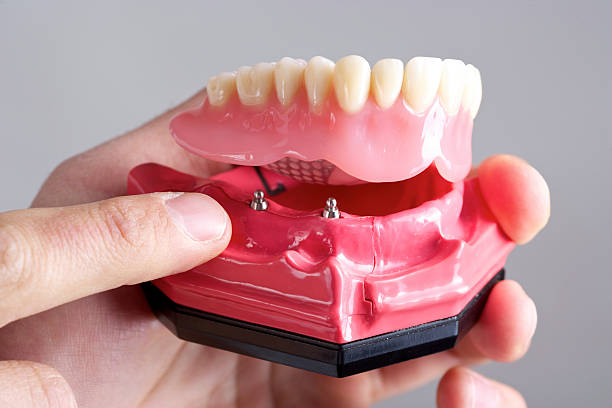
Dentures, on the other hand, are removable prosthetics that rest on the gums. Even well-made dentures can shift or require adhesive, especially on the lower jaw.
According to the Journal of Oral Implantology, patients with implant-supported dentures reported significantly higher comfort and chewing ability than those with conventional dentures [1].
2. Bone Health Preservation
Implants stimulate the jawbone just like natural tooth roots, preventing bone loss that typically follows tooth extraction.
Dentures do not interact with the bone and can actually accelerate bone resorption over time due to the pressure placed on the soft tissues.
Studies show that dental implants can reduce bone loss by up to 80% over five years compared to traditional dentures [2].
3. Functionality and Chewing Power
Dental Implants restore nearly 90–95% of your original bite force, allowing you to eat steak, apples, and crunchy vegetables with ease.
Dentures restore only 20–25% of your original chewing ability, making it difficult to enjoy certain foods.
A clinical review published in The International Journal of Oral & Maxillofacial Implants confirmed that implant-supported restorations offer vastly superior masticatory performance [3].
4. Aesthetic Appeal
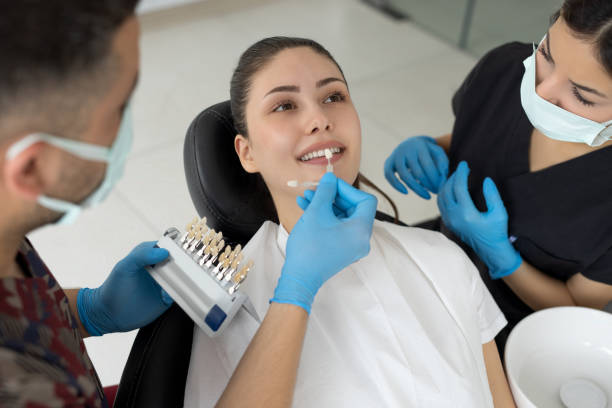
Modern implants look, feel, and function like real teeth. They’re customized to match your natural smile and facial structure.
Dentures may appear natural but can sometimes look bulky or artificial, especially after years of wear or changes in bone structure.
5. Longevity and Maintenance
- Implants: Can last 25+ years with proper care
- Dentures: Typically last 5–8 years before needing replacement or relining
While implants require a higher initial investment, their long-term durability makes them more cost-effective over time.
6. Cost Comparison
Dentures are generally more affordable upfront but come with long-term maintenance costs—adhesives, relines, adjustments, and eventual replacements.
Implants, although more expensive initially, require less maintenance and last significantly longer. In the long run, they often prove to be the more economical choice.
One economic evaluation found that implant-retained prostheses offered better long-term value than conventional dentures when factoring in replacement and maintenance costs [4].
7. Daily Experience
- Implants: No slipping, clicking, or special cleaning routines—just brush and floss like natural teeth.
- Dentures: Require daily removal, soaking, and periodic adjustments.
Final Verdict: Which Is Better?
| Feature | Dental Implants | Dentures |
| Stability | Excellent | Moderate to poor |
| Bone Preservation | Yes | No |
| Chewing Power | 90–95% | 20–25% |
| Lifespan | 25+ years | 5–8 years |
| Daily Maintenance | Like natural teeth | Removal & soaking |
| Cost-Effectiveness | High (long term) | Lower (short term) |
Final Thoughts
While both options can restore your smile, dental implants offer superior function, aesthetics, and longevity. At TruSmile Dental Implant Center, we specialize in helping patients transition from dentures to implants—and we make the process seamless and personalized.
Schedule a consultation today to find out which solution is best for your lifestyle and budget.
References:
- Feine, J. S., et al. (2002). The impact of implant-supported dentures on quality of life and patient satisfaction. Journal of Oral Implantology, 28(3), 120–126.
- Misch, C. E. (2008). Contemporary Implant Dentistry. 3rd ed. Mosby Elsevier.
- Fontijn-Tekamp, F. A., et al. (2000). Biting and chewing in overdentures vs. complete dentures. The International Journal of Oral & Maxillofacial Implants, 15(4), 575–582.
- de Souza, R. F., et al. (2015). Cost-effectiveness of implant-retained overdentures compared with conventional dentures. Journal of Dentistry, 43(8), 1029–1038.