Replacing missing teeth can involve several treatment options, but two commonly considered solutions are partial dentures and dental implants. Although both can help restore the appearance and function of missing teeth, they work differently and may suit different dental needs.
TruSmile provides dental implant information and treatment options for patients considering ways to replace missing teeth. Understanding how partial dentures and dental implants compare can help patients have a more informed discussion with their dental professional before choosing a treatment.
What Are Partial Dentures?
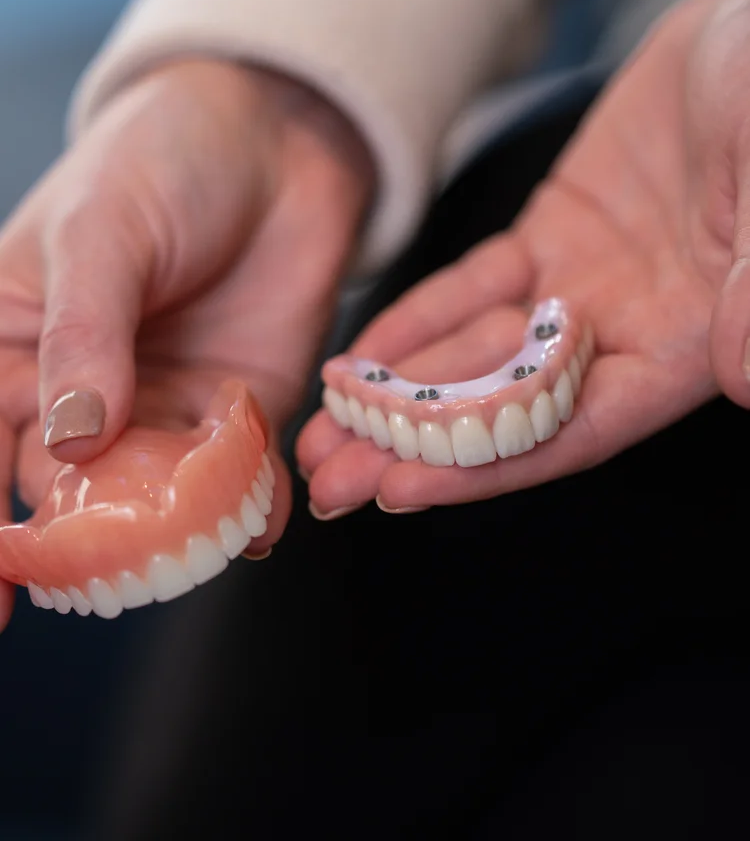
Partial dentures are removable dental appliances designed to replace several missing teeth when some natural teeth remain. They generally consist of replacement teeth attached to a gum-colored base and may use clasps or other mechanisms to stay in position.
Unlike dental implants, partial dentures do not become permanently anchored to the jawbone. Patients can remove them for cleaning and typically take them out when sleeping, depending on their dentist’s instructions.
Partial dentures can restore some chewing ability and help fill visible spaces caused by missing teeth. However, their fit can change over time as the gums and underlying jawbone naturally change.
What Are Dental Implants?
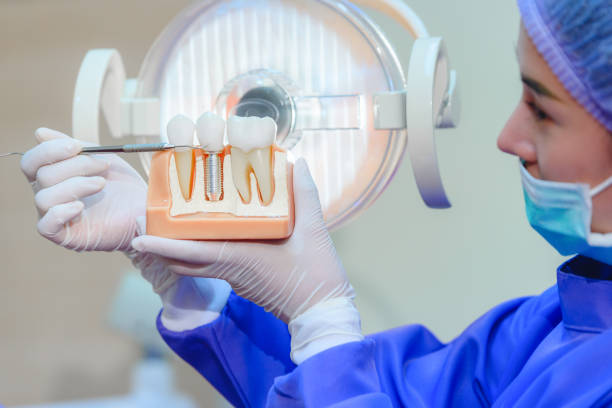
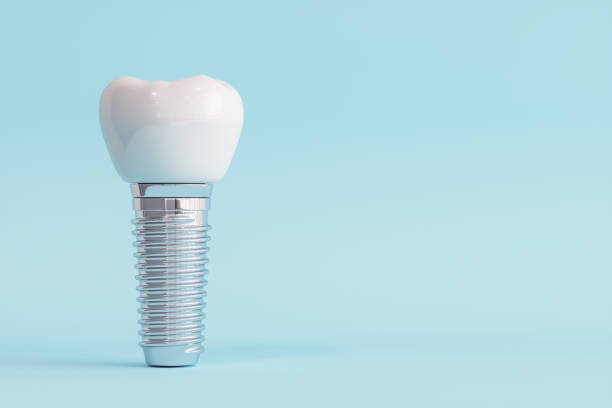
Dental implants are designed to replace missing tooth roots as well as the visible portion of a tooth. A dental implant is placed into the jawbone, where it can integrate with the surrounding bone. Once the implant has healed sufficiently, a dental restoration such as a crown can be attached.
Because implants are anchored in the jaw, they differ fundamentally from removable partial dentures. The treatment process can involve several stages, including evaluation, implant placement, healing and restoration.
For people missing multiple teeth, treatment can range from individual implants to more comprehensive approaches. For example, Full Mouth Dental Implants may be considered when extensive tooth loss affects much of the mouth.
Partial Dentures vs Dental Implants: How Do They Compare?
Partial dentures and dental implants both address missing teeth, but their differences become clearer when looking at stability, maintenance, treatment time and the condition of the jaw.
Stability and Everyday Function
One of the most noticeable differences is how each option stays in place. Partial dentures are removable and rely on their design and remaining natural teeth for support. Movement can sometimes occur while eating or speaking, particularly if the fit changes.
Dental implants are anchored into the jawbone. This provides a stable foundation for the replacement tooth or teeth. Because implants are fixed rather than removable, they can feel more similar to natural teeth once treatment is complete.
Appearance
Modern partial dentures can be designed to resemble natural teeth and gums. Their appearance depends on the materials, design and quality of the fit.
Dental implant restorations can also be made to closely resemble natural teeth. Since the implant itself is beneath the gum and bone, the visible restoration is designed to blend with the surrounding teeth.
Appearance should not be considered separately from oral health, bite, gum condition and the amount of available bone. A dental professional can determine which approach is appropriate based on an individual examination.
Maintenance and Oral Hygiene
Partial dentures require regular cleaning outside the mouth. Patients also need to continue brushing and caring for their remaining natural teeth and gums.
Implant-supported restorations require daily oral hygiene as well. Although they cannot develop cavities like natural tooth enamel, the surrounding gums and tissues still need proper care. Regular dental examinations are important for monitoring both natural teeth and implant-supported restorations.
Treatment Process
Partial dentures can often be provided without surgical placement into the jawbone. The process may involve impressions, measurements, fitting and adjustments.
Dental implant treatment is more involved because it includes surgical placement of the implant and a healing period. Additional procedures may sometimes be necessary if there is insufficient bone or other oral health concerns.
The overall timeline varies according to the number of teeth being replaced, bone condition, healing response and the type of restoration being used.
Which Option Is Better for One Missing Tooth?
When only one tooth is missing, a partial denture is one possible approach, but a single dental implant may provide a more fixed alternative.
A single implant replaces the missing tooth without requiring a removable appliance. It can also avoid relying on neighboring teeth for support in the same way that some traditional tooth-replacement methods do.
TruSmile provides information about this approach through its guide to Single Tooth Dental Implants.
However, an implant is not automatically appropriate for every patient. Bone volume, gum health, general oral health and other individual factors need to be evaluated before treatment.
What About Replacing Multiple Missing Teeth?
For several missing teeth, both partial dentures and implant-supported solutions may be considered. The appropriate approach depends on how many teeth are missing, the condition of the remaining teeth and the health of the jawbone.
Some patients may need a removable solution, while others may be candidates for several dental implants supporting multiple restorations.
For people who have lost most or all of their teeth, full-arch implant treatment may provide another treatment pathway. All-on-4 Dental Implants use four strategically positioned implants to support a full arch of replacement teeth in appropriate cases.
Cost and Long-Term Considerations
Cost is often an important part of comparing partial dentures and dental implants. Partial dentures generally involve a removable appliance and may have a lower initial treatment cost than implant treatment.
Dental implants typically require a larger initial investment because the process may include surgery, implant components, healing and a final restoration. Additional procedures can also affect the total cost.
However, comparing treatment options only by their initial price does not provide the complete picture. Patients may also want to consider maintenance, potential adjustments, expected longevity and how each option fits their oral health needs.
A dental professional can explain the estimated treatment costs and what is included in each option after evaluating the patient’s individual circumstances.
How to Decide Between Partial Dentures and Dental Implants
There is no single solution that is right for every person with missing teeth. The decision depends on factors such as the number of missing teeth, jawbone condition, gum health, remaining natural teeth, medical history, treatment preferences and budget.
Partial dentures may be suitable for people who need a removable way to replace several missing teeth. Dental implants may be considered by patients seeking a fixed replacement and who have suitable conditions for implant treatment.
The most useful comparison is therefore not simply which option is better, but which treatment is appropriate for the patient’s specific dental situation.
If you are considering tooth replacement, you can Contact TruSmile to discuss your options and determine what type of evaluation may be appropriate.
Conclusion
Partial dentures and dental implants offer different approaches to replacing missing teeth. Partial dentures are removable and can replace multiple missing teeth, while dental implants are placed into the jawbone and provide a fixed foundation for tooth replacement.
The right choice depends on individual oral health, the number and location of missing teeth, available bone, treatment goals and practical considerations. A professional dental evaluation is the best way to determine which option is appropriate for a particular situation.