Losing several teeth can affect chewing, speech, comfort, and the overall balance of your smile. When multiple teeth are missing, replacing each tooth individually is not always the only option. An implant-supported bridge can provide a way to restore several missing teeth while using fewer implants than individual replacements.
At Trusmile Dental implant Center, patients can learn about different tooth replacement options based on their oral health, bone structure, number of missing teeth, and treatment needs. Understanding how a dental implant bridge works can help you have a more informed discussion with your dental care provider.
What Is a Dental Implant Bridge?
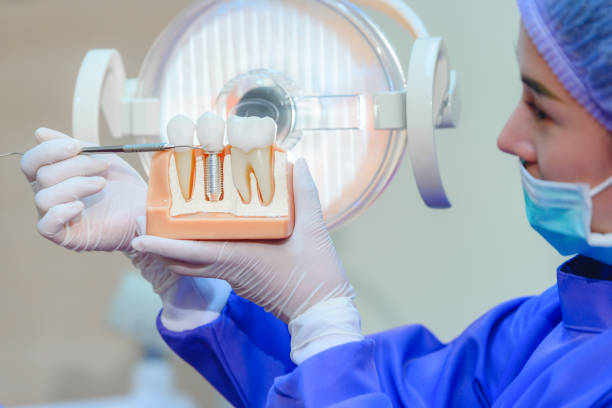
A Dental Implants bridge is a fixed restoration designed to replace two or more missing teeth. Unlike a conventional bridge, which may rely on neighbouring natural teeth for support, an implant bridge is supported by dental implants placed into the jawbone.
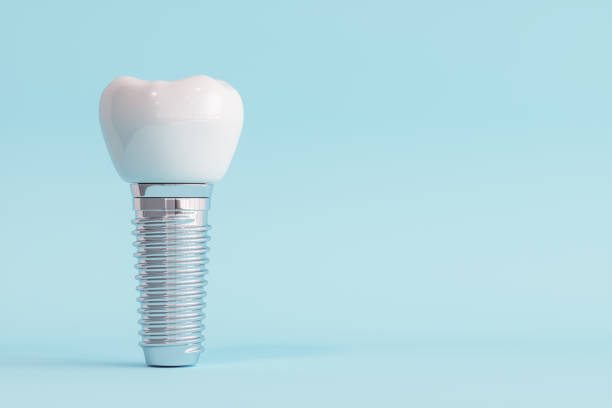
The implants act as artificial tooth roots. Once they have integrated with the surrounding bone, a custom-made bridge can be attached to them. This creates a stable replacement for several missing teeth without requiring a separate implant for every missing tooth.
How Does an Implant Bridge Work?
The treatment generally begins with a dental examination and imaging. Your dentist assesses your gums, remaining teeth, jawbone and overall oral health to determine whether implant treatment is suitable.
If implants are appropriate, they are surgically positioned in the jaw. After a healing period that allows the implants to integrate with the bone, the dental bridge is designed and attached to the implants. The exact number of implants required depends on factors such as the location of the missing teeth and the condition of the jawbone.
Can Implant Bridges Replace Multiple Missing Teeth?
Yes, an implant-supported bridge can replace multiple adjacent missing teeth. It can be particularly useful when several teeth are missing in the same area.
For example, instead of placing one implant for every missing tooth, an implant bridge may use strategically positioned implants to support several artificial teeth. This can reduce the number of implants needed while still providing a fixed restoration.
However, an implant bridge is not suitable for every patient. Bone volume, gum health, medical history, bite forces and the position of the missing teeth all need to be considered before treatment.
Implant Bridge vs Single Dental Implants
Single Dental Implants replace individual missing teeth. Each replacement tooth typically has its own implant and crown. This can be a suitable approach when teeth are missing in separate areas or when individual tooth replacement is preferred.
An implant bridge, on the other hand, can replace several adjacent teeth using multiple implants to support one restoration. The choice depends on your specific dental condition and treatment goals.
Neither option is automatically better for everyone. A dental assessment is important for determining which approach is appropriate.
How Do Full Mouth Dental Implants and All-on-4 Differ?
When most or all teeth are missing, a larger treatment approach may be considered. Full mouth Dental Implants can involve replacing an entire arch of missing teeth using several strategically placed implants.
All-on-4 Dental Implants are another treatment concept designed to support a full arch restoration using four implants in suitable cases. This differs from an implant bridge used to replace a smaller section of missing teeth.
The appropriate treatment depends on the number of missing teeth, available bone, oral health and the design of the final restoration. Your dentist can explain which option fits your circumstances after an examination.
What Factors Affect Implant Bridge Treatment?
Several factors can influence whether an implant bridge is suitable and how the treatment is planned:
- Jawbone quantity and quality
- Gum and periodontal health
- Location and number of missing teeth
- Bite and chewing forces
- Overall oral health
If there is insufficient bone in the planned implant area, additional procedures may sometimes be considered before implant placement. Your dentist will discuss these possibilities during the treatment planning process.
How to Care for an Implant Bridge
An implant bridge requires regular oral hygiene and professional dental care. Although the artificial teeth cannot develop cavities like natural teeth, plaque and bacteria can still accumulate around the implants and gums.
Daily brushing, cleaning around and beneath the bridge as advised by your dental team, and routine dental examinations can help maintain the surrounding tissues. Following personalised care instructions is particularly important for long-term implant health.
Discuss Your Tooth Replacement Options
Replacing multiple missing teeth involves more than choosing a restoration. The condition of your jawbone, gums, remaining teeth and bite all contribute to treatment planning. An implant bridge may be appropriate for some patients, while single Dental Implants, Full mouth Dental Implants, or All-on-4 Dental Implants may be considered in other situations.
If you want to understand which option may suit your circumstances, you can contact us at Trusmile Dental implant Center to discuss your dental implant treatment options with the dental team.