Losing one tooth can affect more than the appearance of your smile. A missing tooth may change how you chew, influence the way nearby teeth sit, and make it harder to maintain a balanced bite. For many patients, a single dental implant can provide a way to replace the missing tooth while keeping the surrounding teeth largely untouched.
At Trusmile Dental implant Center, patients can discuss tooth replacement options based on their oral health, bone condition, and individual needs. Single tooth dental implants are one treatment option used to replace an individual missing tooth with an implant-supported restoration. Understanding how the treatment works and what benefits it may offer can help patients make a more informed decision.
What Is a Single Dental Implant?
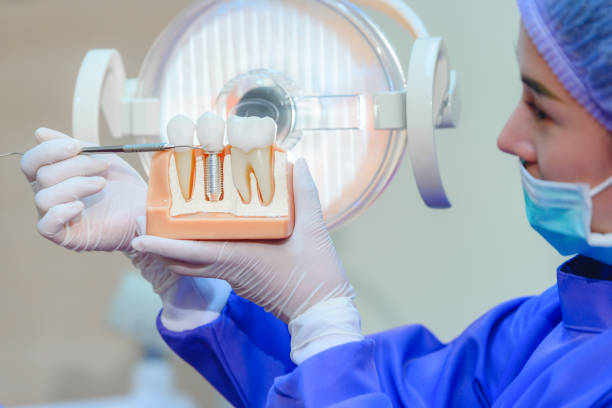
A single dental implant is a tooth replacement solution designed to replace one missing tooth. Unlike a traditional dental bridge, which generally relies on neighbouring teeth for support, an implant is placed into the jawbone and acts as an artificial tooth root.
Once the implant has integrated with the surrounding bone, a dental crown can be attached to restore the visible portion of the tooth. The result is a replacement that is supported independently rather than being connected directly to the adjacent natural teeth.
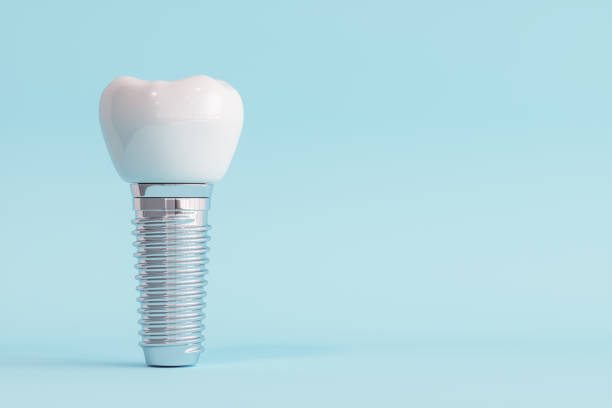
The treatment generally involves three main components: the implant fixture, an abutment, and the dental crown. The implant is positioned within the jawbone, the abutment connects the implant to the crown, and the crown provides the shape and function of the replacement tooth.
Why Replace a Single Missing Tooth?
A missing tooth can create changes in the mouth over time. Teeth next to the empty space may gradually shift towards the gap. The opposing tooth can also move into the space because it no longer meets a tooth during normal biting.
These changes may affect the alignment of the bite and make cleaning certain areas more difficult. Depending on the location of the missing tooth, patients may also notice changes in chewing efficiency or speech.
Replacing the tooth can help restore the function of the area and maintain a more complete dental arch. The most appropriate replacement method depends on factors such as bone health, gum condition, general oral health, and the condition of neighbouring teeth.
Key Benefits of Single Tooth Dental Implants
Independent Tooth Replacement
One of the main advantages of a single implant is that it can replace a missing tooth without using the neighbouring teeth as structural support.
With a conventional dental bridge, the adjacent teeth typically need to support the restoration. A single implant instead receives its support from the jawbone. This allows the neighbouring natural teeth to remain separate from the replacement.
Helps Restore Chewing Function
A missing tooth can make certain foods more difficult to chew comfortably, particularly when the missing tooth is located in an area that receives substantial biting pressure.
Once the implant has healed and the final crown has been fitted, it can provide a stable chewing surface. Patients can gradually return to normal eating habits according to their dentist’s instructions.
Supports Jawbone Preservation
Natural tooth roots stimulate the surrounding jawbone when chewing. When a tooth is lost, that stimulation stops in the area, which can contribute to gradual bone loss.
Because a dental implant is positioned within the jawbone, it can provide stimulation similar to a tooth root. This may help maintain the bone surrounding the implant compared with leaving the space untreated.
Maintains the Position of Nearby Teeth
A gap can allow surrounding teeth to move over time. Replacing the missing tooth can help preserve the existing space and support the overall arrangement of the dental arch.
This does not mean an implant prevents every possible movement of the teeth. Regular dental examinations and good oral hygiene remain important for maintaining overall dental health.
Natural-Looking Appearance
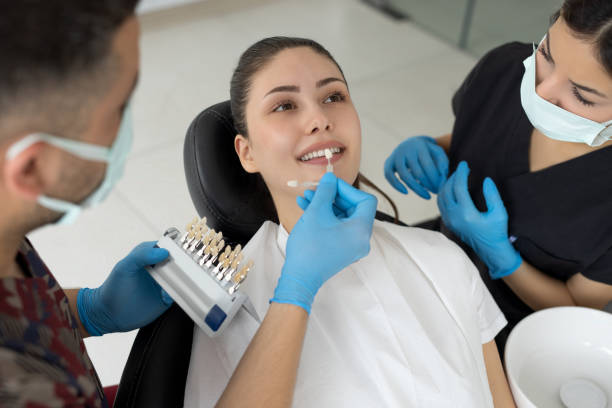
The visible crown attached to a dental implant can be designed to match the colour, size, and general appearance of the surrounding teeth.
For a single missing front tooth, factors such as tooth shape, shade, gum position, and symmetry are particularly important. A properly planned restoration can therefore be designed to blend with the existing smile.
Single Dental Implants vs Dental Implants Bridge
Patients replacing one missing tooth may consider either a single dental implant or a Dental Implants bridge. Although both approaches can fill a gap, their structures are different.
A dental bridge uses a replacement tooth connected to crowns or other supporting structures involving neighbouring teeth. A single implant, on the other hand, is independently anchored within the jawbone.
The right option depends on the condition of the surrounding teeth, available bone, gum health, treatment preferences, and overall dental circumstances. A dental professional can assess these factors before recommending a suitable approach.
A bridge may be considered when the neighbouring teeth already require crowns or when an implant is not appropriate. An implant may be considered when the surrounding teeth are healthy and the patient has suitable conditions for implant placement.
How the Single Dental Implant Process Works
Initial Dental Assessment
Treatment starts with an examination of the mouth and the area where the tooth is missing. The dentist may use dental X-rays or three-dimensional imaging to assess the jawbone and surrounding structures.
This assessment helps determine whether there is enough bone to support an implant and whether additional treatment may be necessary before placement.
Implant Placement
During the surgical stage, the implant fixture is positioned in the jawbone at the location of the missing tooth. The gum tissue is then allowed to heal while the implant begins integrating with the surrounding bone.
This process, known as osseointegration, is an important part of implant treatment because it provides the foundation for the final restoration.
Healing and Integration
Healing time varies between patients. The length of this stage can depend on factors such as bone quality, the location of the implant, overall oral health, and whether additional procedures were required.
During this period, patients should follow their dentist’s instructions regarding oral hygiene, diet, and follow-up appointments.
Abutment and Crown Placement
Once the implant has sufficiently integrated with the bone, an abutment may be attached. The dental crown is then created and fitted over the implant structure.
The final restoration is designed to provide an appropriate shape, bite, and appearance for the missing tooth.
Who May Be Suitable for Single Dental Implants?
Dental implants are not automatically suitable for every patient. A dentist needs to evaluate the condition of the teeth, gums, jawbone, and general oral health before treatment.
Adequate bone volume is important because the implant needs sufficient support. Patients with reduced bone density or bone volume may sometimes require a bone graft or another preparatory procedure before implant placement.
Healthy gums are also important. Existing gum disease may need to be treated before implant surgery. Good oral hygiene and regular dental care are important both before and after treatment.
Certain lifestyle and health factors can also influence healing and implant outcomes. This is why an individual assessment is necessary rather than assuming that an implant will be appropriate for everyone.
What If Several Teeth Are Missing?
Single implants are intended for individual tooth replacement. Patients who have lost several teeth or most of their natural teeth may require a different treatment approach.
All-on-4 Dental Implants are designed to support a full arch of replacement teeth using four strategically positioned implants in suitable cases. This approach differs significantly from replacing one missing tooth with a single implant.
For patients who have lost most or all of their teeth, Full mouth Dental Implants may also be considered. The appropriate treatment depends on the number of missing teeth, remaining teeth, bone condition, gum health, and the patient’s individual treatment plan.
It is important to distinguish these procedures from single tooth implant treatment. They address different patterns of tooth loss and involve different planning considerations.
Caring for a Single Dental Implant
Maintaining an implant requires many of the same oral hygiene habits used for natural teeth. Although the implant itself cannot develop tooth decay in the same way as a natural tooth, the surrounding gums and tissues still need proper care.
Daily brushing and cleaning between the teeth can help control plaque around the implant and neighbouring teeth. Regular dental examinations also allow the dentist to monitor the implant, crown, gums, and surrounding bone.
Patients should also follow any specific cleaning recommendations provided by their dental team. The longevity of an implant-supported restoration can be influenced by oral hygiene, biting forces, general health, and routine professional care.
How Long Can a Single Dental Implant Last?
Dental implants are designed as a long-term tooth replacement option, but their lifespan varies from person to person. The implant itself and the visible crown are different components and may have different maintenance or replacement requirements.
Factors that can influence long-term outcomes include oral hygiene, gum health, bone stability, smoking, bite forces, and regular dental care.
A single implant should therefore not be considered a completely maintenance-free solution. Routine examinations and appropriate home care remain important after treatment.
What to Consider Before Choosing an Implant
Before proceeding with treatment, patients should understand the complete process rather than focusing only on the final appearance. Implant treatment involves assessment, surgical placement, healing, restoration, and ongoing maintenance.
It is also important to ask about the condition of the jawbone, whether additional procedures may be required, what type of crown will be used, expected healing time, and how the restoration will be maintained.
At Trusmile Dental implant Center, patients can discuss these considerations during an individual dental assessment. The treatment plan should be based on the patient’s specific oral condition rather than applying the same approach to every missing tooth.
Making an Informed Choice for One Missing Tooth
Replacing one missing tooth involves more than filling an empty space. The chosen treatment should consider the health of the surrounding teeth, jawbone, gums, bite, appearance, and long-term maintenance requirements.
Single dental implants can provide an independent foundation for replacing an individual tooth and may help restore chewing function while supporting the surrounding oral structures. However, they are not suitable for every patient, and a professional assessment is necessary before treatment.
If you are considering treatment for a missing tooth, contact us at Trusmile Dental implant Center to discuss your dental condition and the available tooth replacement options.