Replacing several missing or failing teeth involves more than improving the appearance of a smile. Tooth loss can affect chewing, speech, oral comfort and the way the remaining teeth function. For people who need to replace most or all teeth in an arch, implant-supported restorations can provide a fixed alternative to traditional removable dentures.
TruSmile Dental Implant Center is located in Chula Vista and focuses on dental implant treatment, including fixed full-mouth restorations, multiple implant bridges and single implants. The practice provides implant consultations and uses diagnostic imaging to evaluate a patient’s oral condition before recommending an appropriate treatment approach.
Among the available implant approaches, All-on-4 Dental Implants use four strategically positioned implants to support a fixed replacement arch. However, the treatment is not suitable for every patient, so an individual evaluation is an important part of the process.
What Are All-on-4 Dental Implants
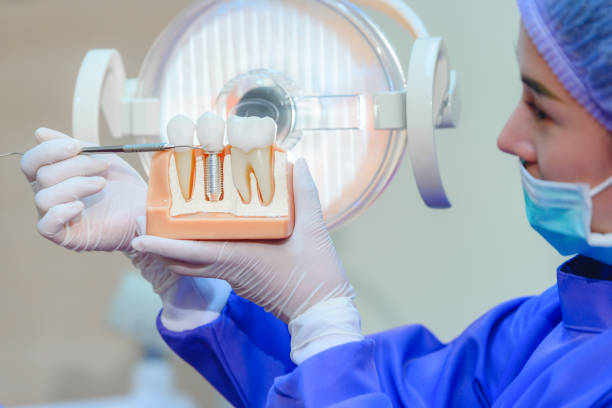
All-on-4 Dental Implants are designed to replace an entire upper or lower arch using four dental implants as the foundation for a fixed prosthetic restoration. Rather than placing a separate implant for every missing tooth, the implants are strategically positioned to support a full arch of replacement teeth.
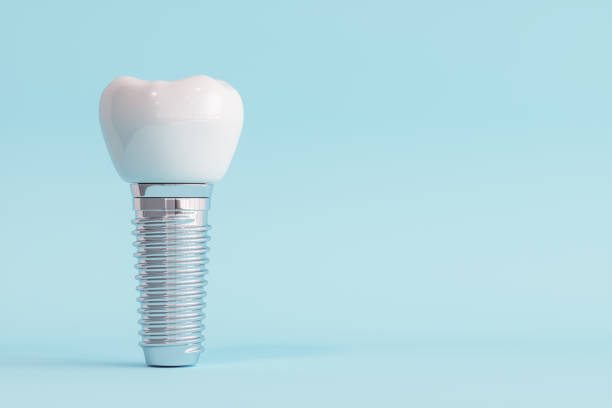
The technique is different from a conventional single-tooth implant. A single implant generally replaces one missing tooth with an implant-supported crown, while an All-on-4 approach is intended for patients who need replacement of an entire dental arch.
According to TruSmile Dental Implant Center, its All-on-4 approach uses four implants and a fixed bridge to replace teeth across the upper or lower arch. The implants can be positioned at strategic angles to make use of available jawbone and provide support for the prosthetic teeth.
Who May Consider All-on-4 Treatment
All-on-4 treatment may be considered when a patient has multiple missing teeth, severely damaged teeth or teeth that are no longer suitable for restoration. It can also be an option for people who have difficulty wearing traditional dentures or want to explore a fixed implant-supported alternative.
However, having missing or failing teeth does not automatically mean that All-on-4 is the right treatment. Factors such as jawbone condition, gum health, general health, existing infections and the condition of the remaining teeth need to be assessed.
TruSmile Dental Implant Center evaluates patients during an implant consultation and offers several implant options, including fixed full-mouth restorations, multiple implant bridges and single implants.
Why a Dental Evaluation Matters
Implant treatment requires careful planning because implants depend on adequate bone and healthy surrounding tissues for support. Diagnostic imaging can help the dental team assess the jaw and plan implant positioning.
The treatment plan may also depend on whether the patient needs extraction of failing teeth, treatment for gum disease or another procedure before implant placement.
Benefits of All-on-4 Dental Implants
All-on-4 treatment can provide several functional and practical benefits for appropriately selected patients. The advantages depend on individual circumstances, the condition of the jaw and the final restoration.
Fixed Support for a Full Arch
One of the main differences between All-on-4 restorations and traditional dentures is that the replacement teeth are supported by dental implants rather than resting loosely on the gums.
The implant-supported design can provide stability during everyday activities such as speaking and eating. This can be particularly relevant for people who have experienced movement or discomfort with removable dentures.
Replacement of an Entire Dental Arch
Instead of replacing every missing tooth individually, All-on-4 treatment uses four implants to support a full arch restoration. This can reduce the number of implants needed compared with placing an individual implant for every missing tooth.
The exact number and positioning of implants depend on the patient’s anatomy and treatment plan.
Improved Chewing Function
Missing teeth can make certain foods difficult to chew. A stable implant-supported restoration is designed to provide functional support for eating once the treatment has healed and the dental team has confirmed that normal function can resume.
Patients should still follow their dentist’s instructions regarding diet during the recovery period.
A Fixed Alternative to Removable Dentures
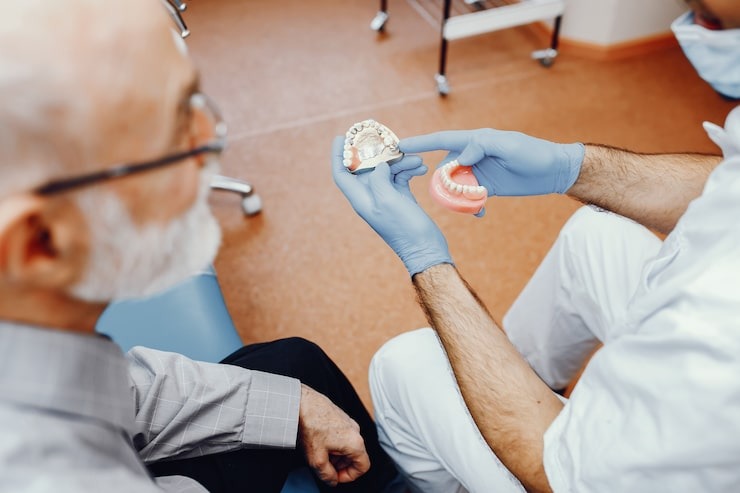
Traditional dentures can be removed for cleaning and may move during eating or speaking. An implant-supported full-arch restoration is fixed in place, although it still requires professional maintenance and appropriate home care.
This distinction is one reason patients with extensive tooth loss may discuss All-on-4 treatment with an implant dentist.
All-on-4 Procedure: What to Expect
The exact treatment process varies according to the patient’s oral health and treatment plan. Understanding the general stages can make the process easier to follow.
Initial Consultation and Assessment
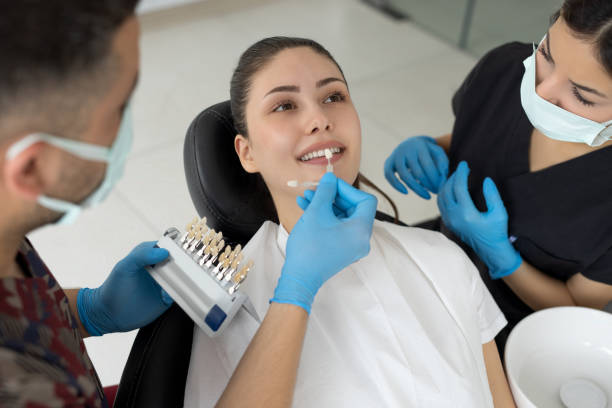
The process usually begins with a detailed examination. The dental team evaluates the teeth, gums, jawbone and overall oral condition.
At TruSmile Dental Implant Center, the practice states that its implant consultations include a 3-D CAT scan to help evaluate the patient’s situation and develop a treatment recommendation.
The assessment is also an opportunity to discuss existing dental problems, previous treatments, expectations and available implant options.
Treatment Planning
After the examination and imaging, the dentist determines whether an All-on-4 restoration is appropriate. If teeth are severely damaged or cannot be restored, extraction may be incorporated into the treatment plan.
The position of each implant is planned according to the available bone and the intended design of the replacement arch.
Implant Placement
During implant surgery, the dental implants are placed into the jawbone. In an All-on-4 treatment plan, four implants are used to support the fixed arch.
Some patients may receive a temporary restoration as part of their treatment plan, while the implants heal and integrate with the surrounding bone. The specific timing depends on the individual’s clinical circumstances.
Healing and Implant Integration
After implant placement, the jawbone needs time to heal around the implants. This process, known as osseointegration, helps establish the foundation required for long-term implant stability.
The length of healing can vary. Patients should follow all post-treatment instructions and attend scheduled follow-up appointments so the dental team can monitor healing.
Final Restoration
Once healing and implant stability have been evaluated, the final prosthetic teeth can be placed according to the treatment plan.
The final restoration is designed to provide an appropriate combination of function, appearance and fit. Adjustments may be necessary as the restoration is fitted and evaluated.
All-on-4 Recovery and Aftercare
Recovery after implant surgery varies between patients. Swelling, tenderness and temporary changes in eating may occur following treatment, particularly during the initial healing period.
The dental team will provide specific instructions based on the procedure performed. Following those instructions is important because the early healing period is critical to implant recovery.
Patients may be advised to eat softer foods initially and gradually return to their normal diet as healing progresses. Oral hygiene also remains important, although cleaning techniques may need to be modified temporarily around the surgical areas.
Regular follow-up visits allow the dental team to evaluate healing and address concerns before they become more significant.
Long-Term Care After Recovery
Implant-supported teeth still require daily care. Patients should maintain good oral hygiene and attend routine dental appointments.
Although the implant itself is designed to integrate with the jawbone, the tissues around an implant can still develop problems if oral hygiene is neglected. Professional maintenance can help monitor the implants, gums and prosthetic restoration over time.
All-on-4 vs Full Mouth Dental Implants
The terms Full mouth Dental Implants and All-on-4 are sometimes used interchangeably in everyday discussions, but they can describe different treatment approaches.
Full-mouth implant treatment generally refers to restoring an entire mouth using dental implants. Depending on the patient’s needs, this could involve different numbers of implants and different restoration designs.
All-on-4 is a specific full-arch approach that uses four implants to support a fixed prosthesis for one arch. TruSmile Dental Implant Center also lists All-on-5 and All-on-6 full-mouth restoration options, showing why an individual treatment plan is necessary rather than assuming one implant method is appropriate for everyone.
All-on-4 vs Single Dental Implants
Single Dental Implants are generally used when an individual tooth is missing. An implant is placed in the jawbone and supports a dental crown designed to replace the missing tooth.
All-on-4, in contrast, is intended for replacing an entire upper or lower arch with an implant-supported prosthesis.
For example, someone missing one tooth may be evaluated for a single implant, while someone with extensive tooth loss or multiple failing teeth may discuss full-arch solutions.
The number of missing teeth alone does not determine treatment. Bone quality, gum health, existing teeth, medical factors and the patient’s long-term goals all contribute to the decision.
The Role of a Dental Implants Bridge
A Dental Implants bridge can be another way to replace multiple missing teeth. Instead of replacing each missing tooth with an individual implant, a bridge can be supported by dental implants.
Implant bridges and full-arch restorations serve different purposes. An implant bridge may be appropriate when several teeth are missing but a complete arch replacement is not necessary.
TruSmile Dental Implant Center lists multiple implant bridges among its available implant solutions, alongside single implants and fixed full-mouth restorations.
How to Determine Which Implant Option Is Right
Choosing between All-on-4, a single implant, an implant bridge or another full-mouth solution requires a clinical assessment.
Patients should consider the number and condition of their remaining teeth, the health of their gums, jawbone structure and the type of restoration required. Financial considerations and the expected maintenance of each option may also be discussed during treatment planning.
There is no single implant solution that is appropriate for every patient. A personalized examination helps identify the treatment approach that best matches the patient’s dental condition and goals.
Why Location Matters for Implant Treatment
Dental implant treatment involves multiple stages, including consultation, surgery, healing and follow-up care. Choosing a dental implant center that is reasonably accessible can make attending appointments more manageable.
TruSmile Dental Implant Center is located at 2452 Fenton St #100 in Chula Vista, California. The practice serves patients in the Chula Vista and San Diego area and provides implant-related treatment options including full-mouth restorations, implant bridges and single implants.
Questions to Ask Before Choosing All-on-4
Before beginning treatment, patients can ask their dental provider about the recommended implant approach, expected treatment stages, healing period and restoration options.
It can also be useful to understand what diagnostic imaging is required, whether extractions are necessary, how temporary teeth will be handled and what long-term maintenance will involve.
Having clear answers to these questions can help patients understand what their individual treatment plan involves rather than relying solely on general information about All-on-4 implants.
Final Thoughts
All-on-4 Dental Implants can be an option for patients who need replacement of an entire dental arch and are looking for a fixed implant-supported restoration. The approach differs from single implants and implant bridges because it is designed around full-arch rehabilitation.
Understanding the procedure, benefits, recovery process and available alternatives can help patients have a more informed discussion with their dental provider. At TruSmile Dental Implant Center, implant treatment options include fixed full-mouth restorations, multiple implant bridges and single implants, allowing treatment planning to be based on the patient’s individual dental needs.
For patients in Chula Vista considering implant treatment, the next step is a professional evaluation. Contact us to discuss your dental concerns, diagnostic assessment and the implant options that may be appropriate for your situation.